Ornithofauna
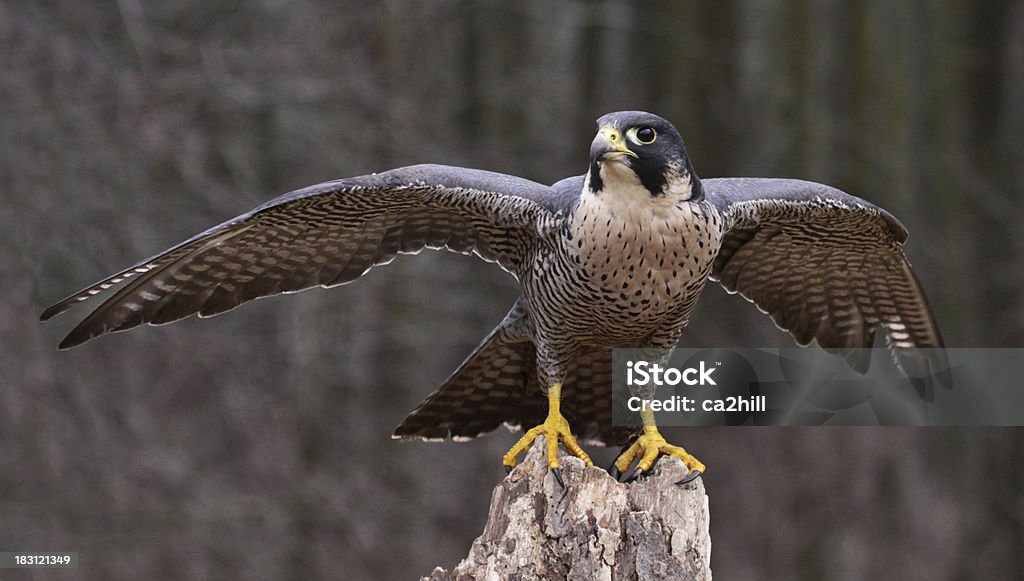
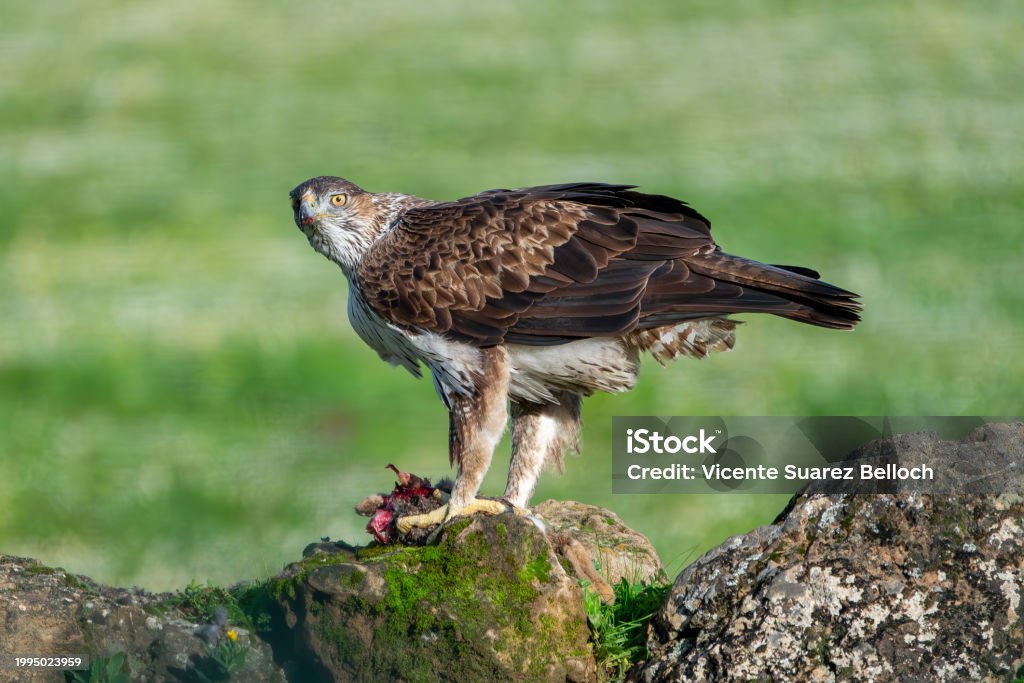
Since the 19th century, around 180 bird species have been recorded in the Kopaonik area. The actual number of species found in this region is certainly higher, estimated at around 210 species. Of the species recorded so far, 125 have been known to breed in Kopaonik. Due to the disappearance of several former breeders, the number of species currently breeding here is around 115. The avifauna is dominated by forest species, open mountain species, and species associated with cultural landscapes. Birds linked to aquatic habitats are not significantly present in Kopaonik. Due to its high diversity, rich bird fauna, and the presence of rare and endangered species, Kopaonik was listed as an Internationally Important Bird Area (IBA) as early as 1997. Characteristic forest breeders of Kopaonik include the honey buzzard Pernis apivorus, the short-toed snake eagle Circaetus gallicus, the Ural owl Strix uralensis, the boreal owl Aegolius funereus, the white-backed woodpecker Dendrocopos leucotos, the three-toed woodpecker Picoides tridactylus, the hazel grouse Bonasa bonasia, the lesser pied flycatcher Ficedula parva, the wood warbler Phylloscopus sibilatrix, and the coal tit Parus montanus. High mountain pastures and rocky areas are inhabited by the Alpine accentor Prunella collaris, the rock thrush Monticola saxatilis, the rock partridge Alectoris graeca, and the alpine accentor Prunella collaris. On rocky cliffs and in river canyons, the golden eagle Aquila chrysaetos, the peregrine falcon Falco peregrinus, and the Eurasian eagle owl Bubo bubo breed. Meadow and orchard areas are inhabited by the corncrake Crex crex, the little owl Otus scops, the hoopoe Upupa epops, the red-backed shrike Lanius collurio, the wood lark Lullula arborea, the woodchat shrike Lanius senator, and the ortolan bunting Emberiza hortulana. Several species that once regularly bred in Kopaonik have ceased to do so in the modern period due to pronounced anthropogenic pressures. These include the capercaillie Tetrao urogallus, the red-billed chough Pyrrhocorax pyrrhocorax, the yellow-billed chough Pyrrhocorax graculus, the Egyptian vulture Neophron percnopterus, the black vulture Aegypius monachus, the booted eagle Hieraaetus pennatus, the wallcreeper Tichodroma muraria, and the European roller Coracias garrulus. A range of protective measures is implemented within the national park to retain a larger number of species and support their normal life activities, such as the installation of artificial nest boxes and the alignment of other park activities with bird protection needs.
Raptors
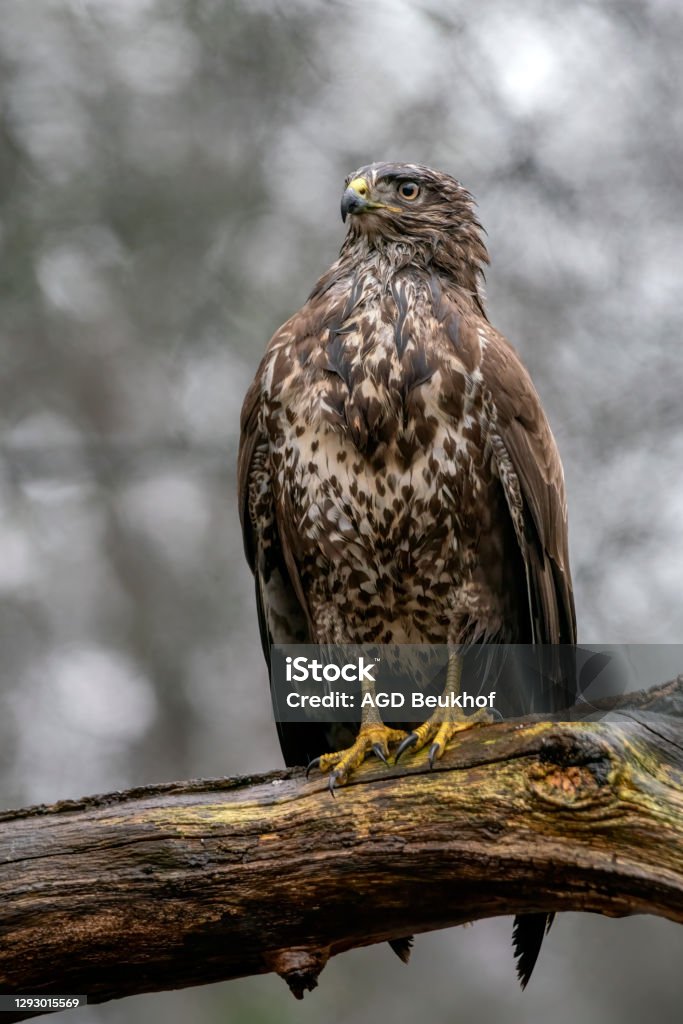
According to Matvejev, this species nests throughout Serbia wherever there are forests with larger clearings, but is most commonly found in high-mountain mixed and deciduous forests, especially beech forests. There are regions where it is rare or has been completely eradicated. The Common Buzzard is one of the most widespread diurnal raptors in Serbia. After a constant decline in numbers during the first half of the 20th century, there was a recovery in the 1970s and 1980s, attributed to the reduction in pesticide use and hunting. According to Vasić, the primary reasons for the earlier significant decline were intensive hunting, the use of biocides, and poisoning with wolf bait. The species is sensitive to disturbance, although it tolerates human proximity if it feels secure. In Serbia, no specific protection measures have been implemented, except through the declaration of numerous nature reserves, enforcement of legal regulations, and prevention of toxic bait placement. Enhanced education for hunters and the wider public, along with restrictions on pesticide use in agriculture and forestry, are necessary.
Distribution: According to Matvejev, the species was rare in mountainous regions until the first half of the 20th century. It is most evenly distributed in southwestern and eastern Serbia. In Serbia and other parts of the Balkans, there was a constant decline in numbers that persisted until the end of the 1970s. This decline was particularly pronounced between the 1950s and 1980s, with major causes including continuous killing, various poisonings (such as bait poisoning for wolves, foxes, and other pests), trapping, egg and nestling theft, and habitat degradation. Since then, the situation has improved, with the population either fluctuating or stabilizing depending on the area. However, there is an increasing issue with food scarcity, especially during winter, due to a decrease in livestock on pastures and wild game in nature. Key conservation measures focus on educating hunters, livestock owners, and the general public about the importance and rarity of the Griffon Vulture to reduce disturbance, killing, egg and nestling theft, and poisoning. It is crucial to protect the best nesting and feeding sites through nature reserve protection. Although the use of toxic baits against wolves was banned in the 1970s, monitoring the enforcement of this regulation remains necessary. Additionally, establishing feeding stations for scavenger birds (vultures, eagles) in the mountainous regions of Serbia is significant for improving feeding conditions.
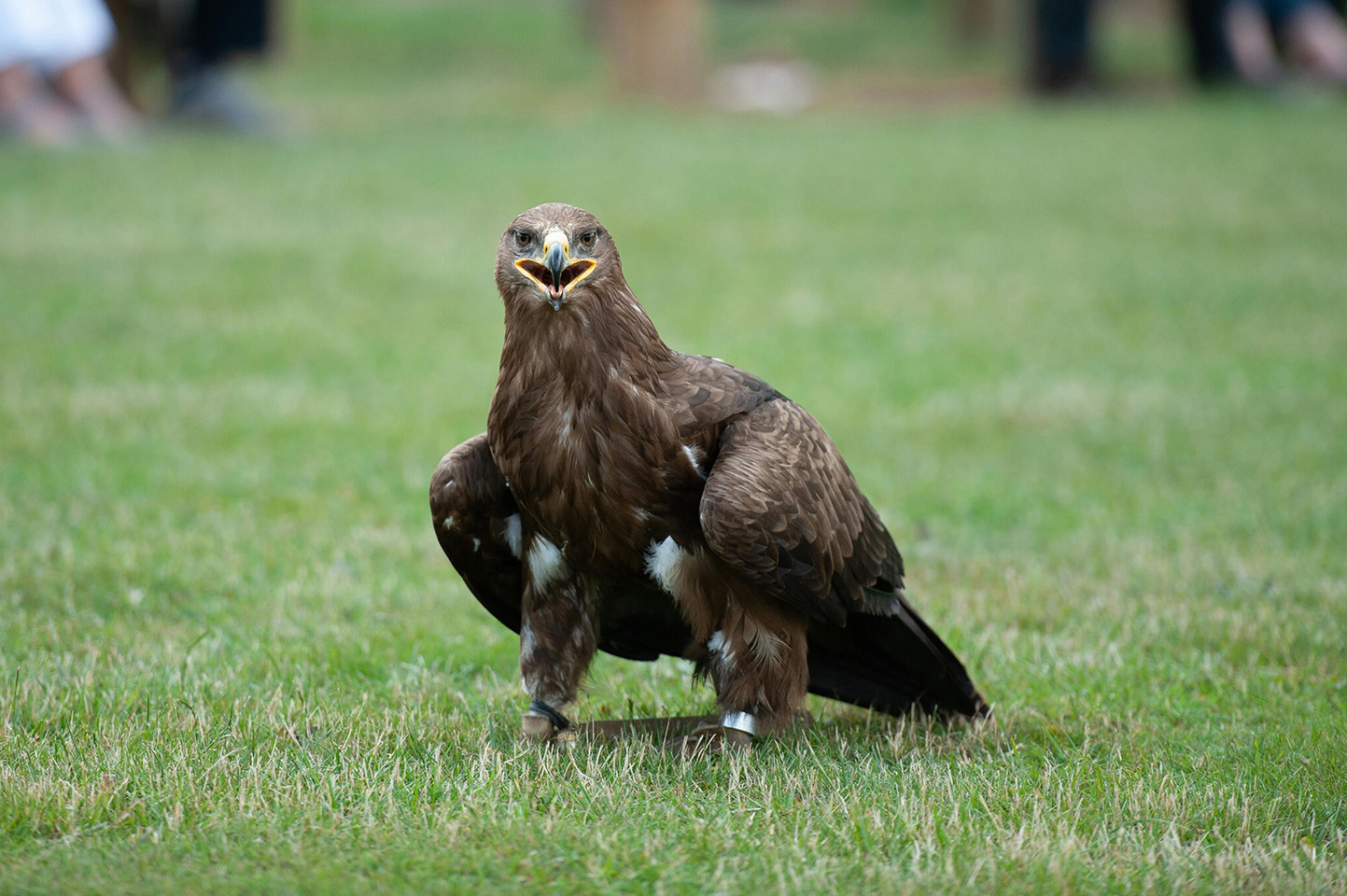
Distribution: According to Matvejev, until the first half of the 20th century, it nested throughout Serbia, wherever there were trees or cliffs near open areas, both in lowlands and high mountains. Power lines played a significant role in the even distribution of the species across deforested agricultural lands in the plains and in mountain plateaus, as they often nest in boxes on top of power poles or in abandoned nests of crows and ravens. Each inhabited area typically has at least one pair of this species. In Serbia, many eagles have suffered due to the destruction of nesting sites (deforestation, land reclamation, plowing), especially during pest control campaigns. Major conservation efforts in Europe focus on protecting mosaic habitats suitable for nesting and foraging. It is crucial to monitor the use of harmful pesticides in agriculture, as well as illegal hunting and nest destruction. Installing suitable nesting boxes (artificial nests) on agricultural lands, particularly in urban areas, has yielded positive results. Building platforms of woven wire on power poles could significantly increase the potential for nesting in deforested agricultural fields.
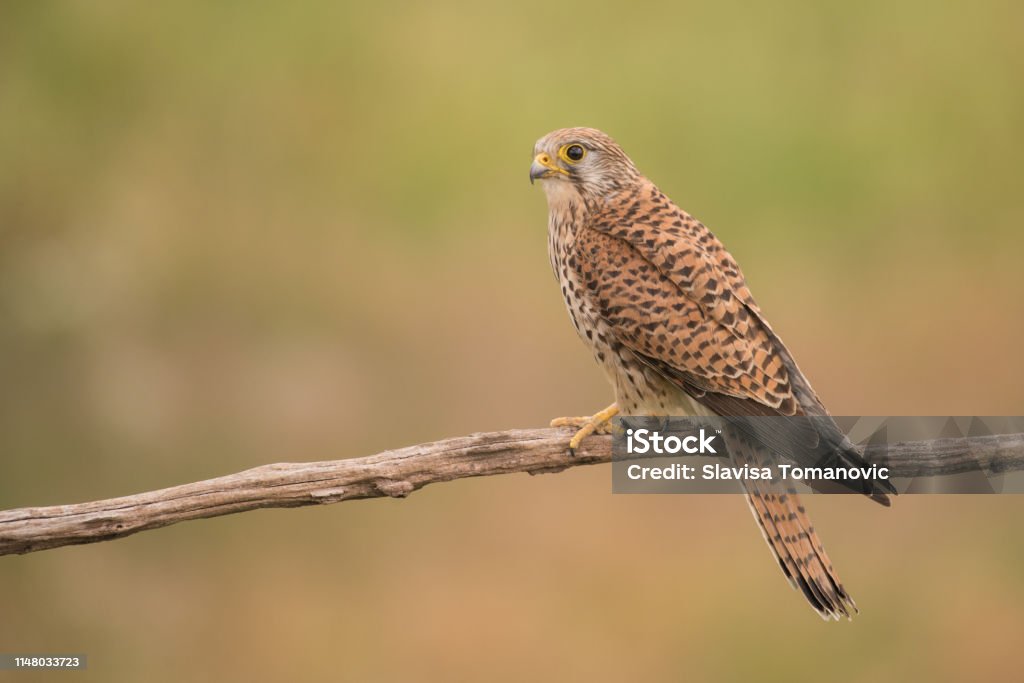
Distribution: According to Matvejev, until the first half of the 20th century, it nested very rarely in mountain crags and rocky outcrops in western Serbia, though it was more commonly observed in winter and in other regions, particularly near urban areas. The most detrimental impact on the population of this species in Europe has been the widespread use of harmful pesticides in agriculture and forestry, especially organochlorine insecticides. Birds were contaminated through their prey (such as pigeons, doves, turtledoves, skylarks, etc.) that consumed poisoned food, leading to effects such as thin eggshells or chick mortality. Ongoing disturbance and harassment of birds, as well as occasional hunting or capture for zoological gardens and collectors, have also posed threats. The development of falconry had severe negative consequences, as many nests were raided to supply falconers. Fortunately, this impact has been significantly reduced in many countries due to advancements in falconry techniques and captive breeding. Recently in Serbia, one of the most dangerous factors is pigeon keepers, who systematically destroy kestrels and their nests. In Europe, key conservation measures focus on preventing the use of harmful and banned pesticides in agriculture, as well as monitoring new plant protection products entering the market. Continuous protection of individual endangered nests and regular population monitoring are also implemented. Preventing illegal hunting and capture of kestrels, particularly by pigeon keepers, falconers, and irresponsible hunters, remains essential.
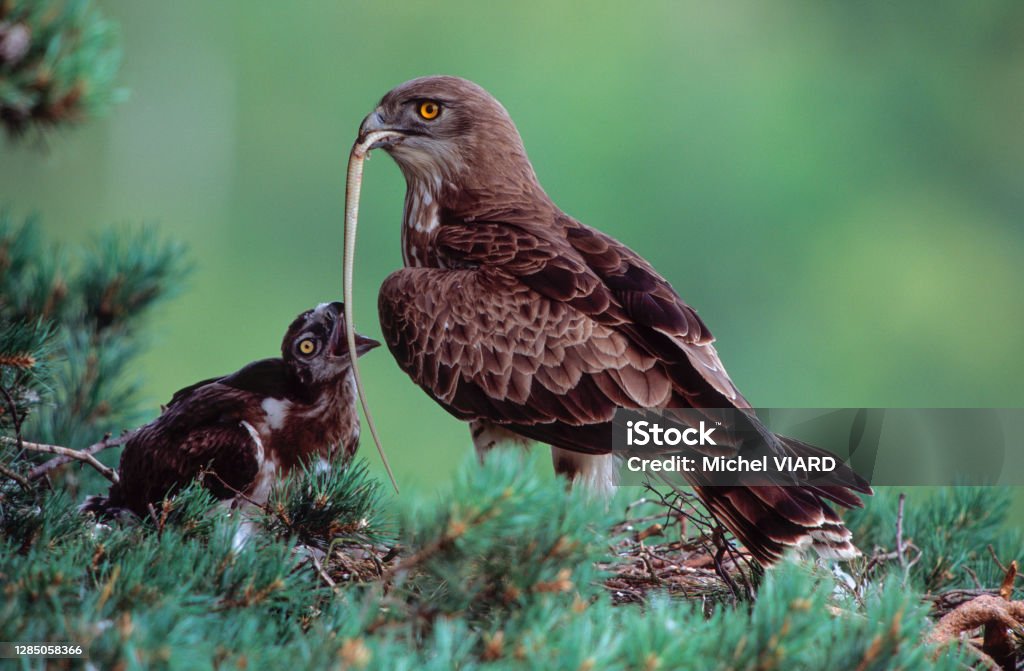
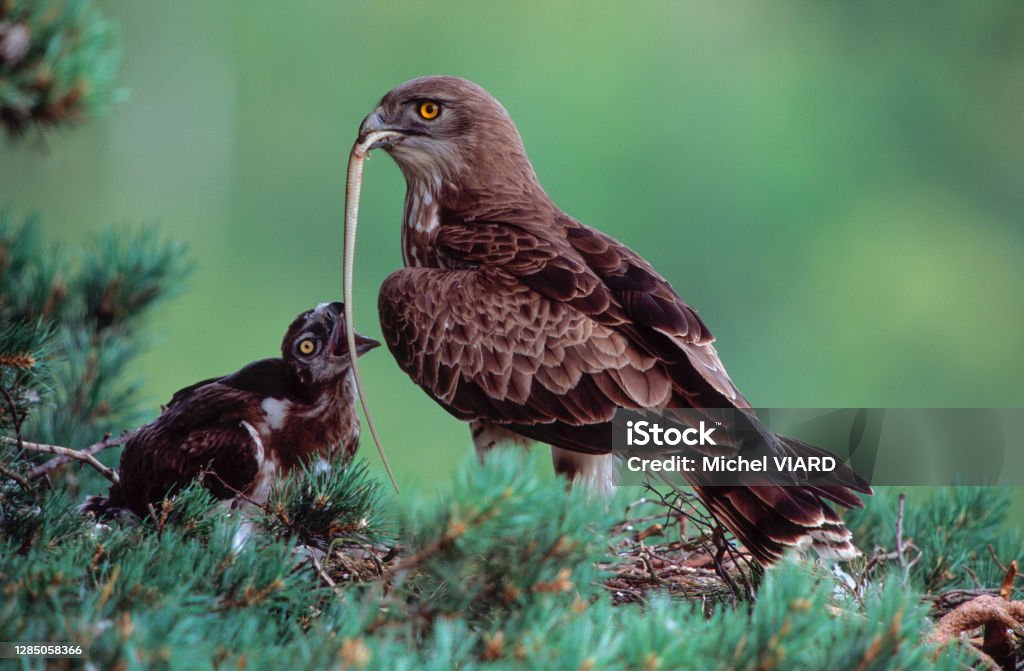
Short-toed Snake Eagle (Circaetus gallicus) nests on Kopaonik in a beech forest in the Barška River Gorge at an altitude of 1000 meters. It is fairly evenly distributed throughout Serbia, except in Vojvodina and Šumadija. This species experienced a prolonged and significant decline in population throughout the 20th century in Europe, primarily due to habitat changes and increasingly intensive agricultural practices, leading to the creation of extensive monocultures and pesticide use. The species also faced direct persecution. Reforestation of open lands and other open areas negatively impacted its hunting grounds and the abundance of its primary prey—snakes and lizards. Forest fires, infrastructural development, habitat fragmentation, and increased disturbance also adversely affected the species. These negative factors are present in Serbia as well. The species is also affected by collisions with power lines or electrical shocks. In some European countries, comprehensive protection of nesting and foraging habitats is successfully implemented, alongside encouraging a return to traditional grazing and low-intensity agriculture, adapting forest management practices, and educating hunters. It is crucial to preserve habitat mosaic, including field boundaries and forest strips, and to reduce the use of harmful pesticides. Older trees should be preserved, significant regeneration and fragmentation of forests due to road construction should be prevented, and larger fires should be avoided. In many, especially southern European countries, considerable attention is given to educating local populations, hunters, and farmers.
Distribution: Historically, European honey buzzard was considered a species primarily associated with the northern regions of Serbia. However, Matvejev’s observations in 1951 recorded it nesting on Kopaonik, specifically in the beech forest near the village of Lisina. The honey buzzard is distributed throughout Serbia across all elevation zones, but it does not nest in areas lacking forest complexes. Compared to other raptors in Europe, European honey buzzard is believed to have been less affected by agricultural and forestry chemicals, due to its specialized diet consisting mainly of wasps and bees, which are less prone to contamination. One of the primary negative factors affecting the species is hunting, which occurs less frequently at nesting sites but is a significant threat during long migrations, particularly in the Mediterranean region. Young birds are especially vulnerable due to their inexperience and are often hunted, resulting in an exceptionally high mortality rate in their first year of life, while adult birds tend to be more cautious. The highest mortality rates occur during the late summer months, during post-nesting dispersal and migration, coinciding with the start of the hunting season for game birds.

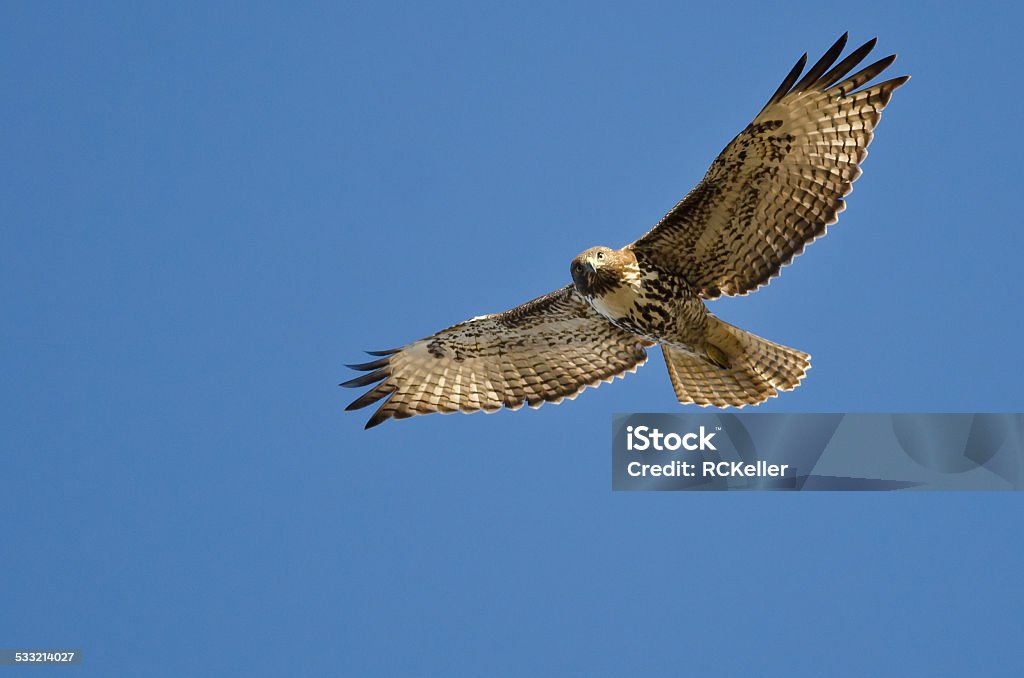
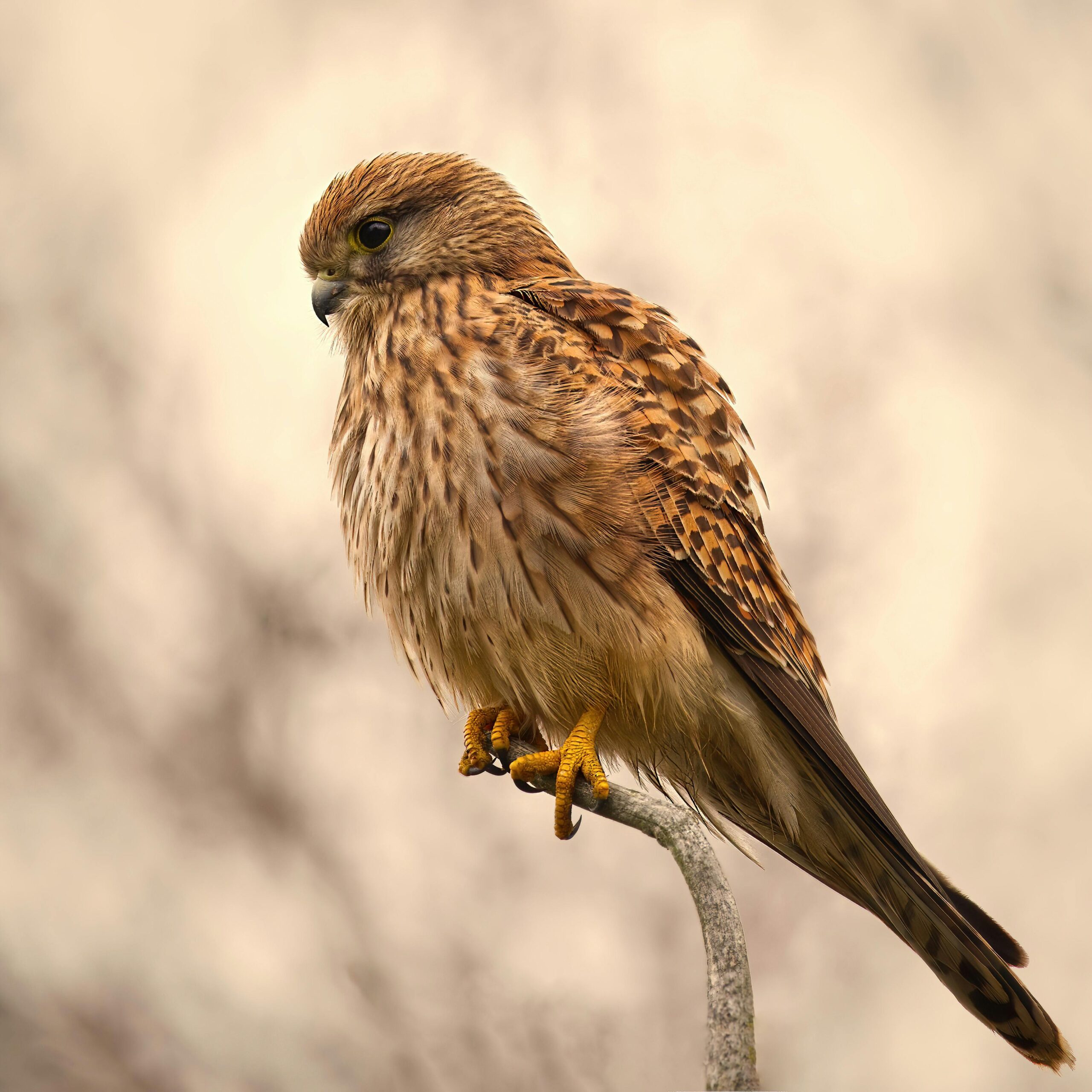
Gallery of Raptors

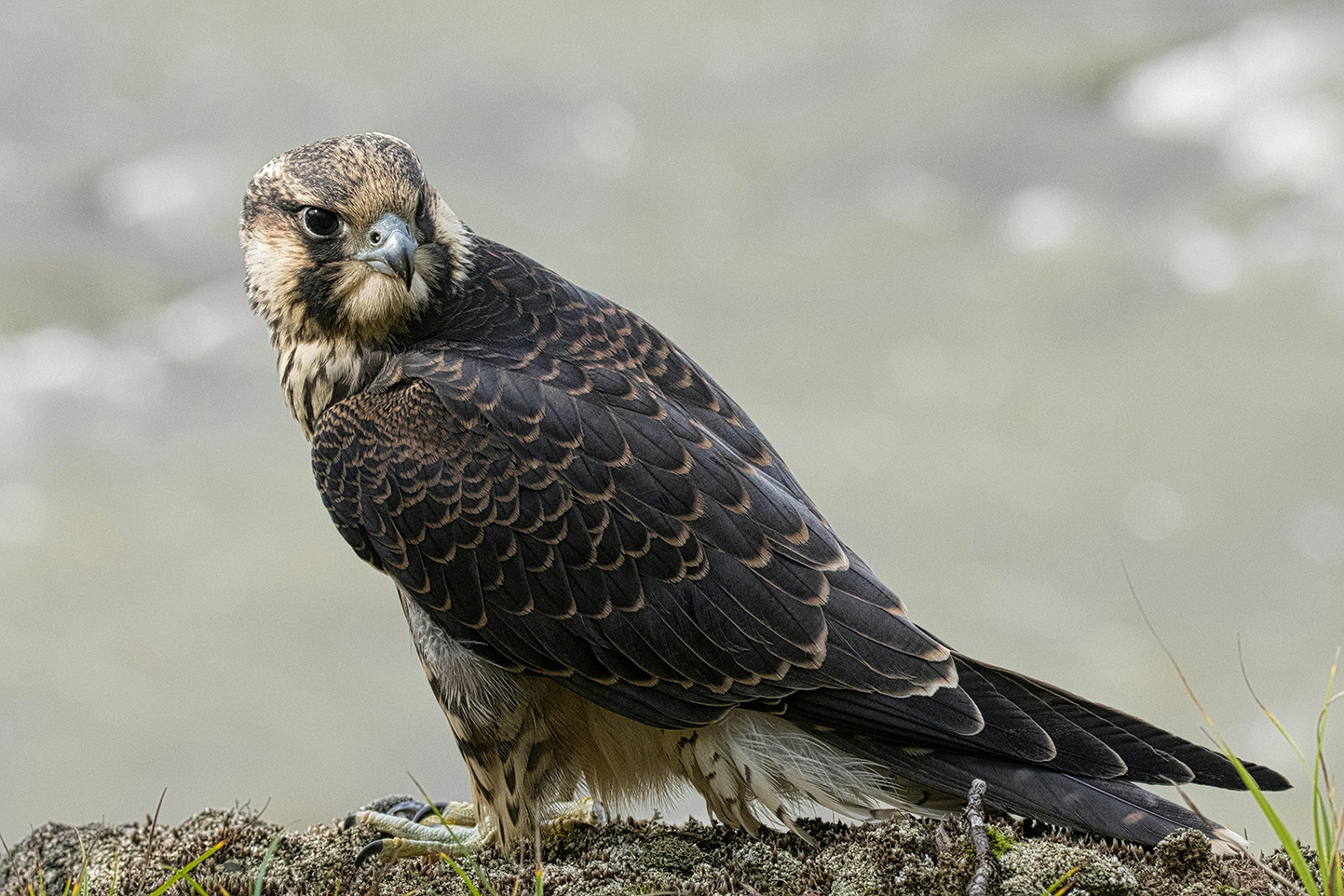
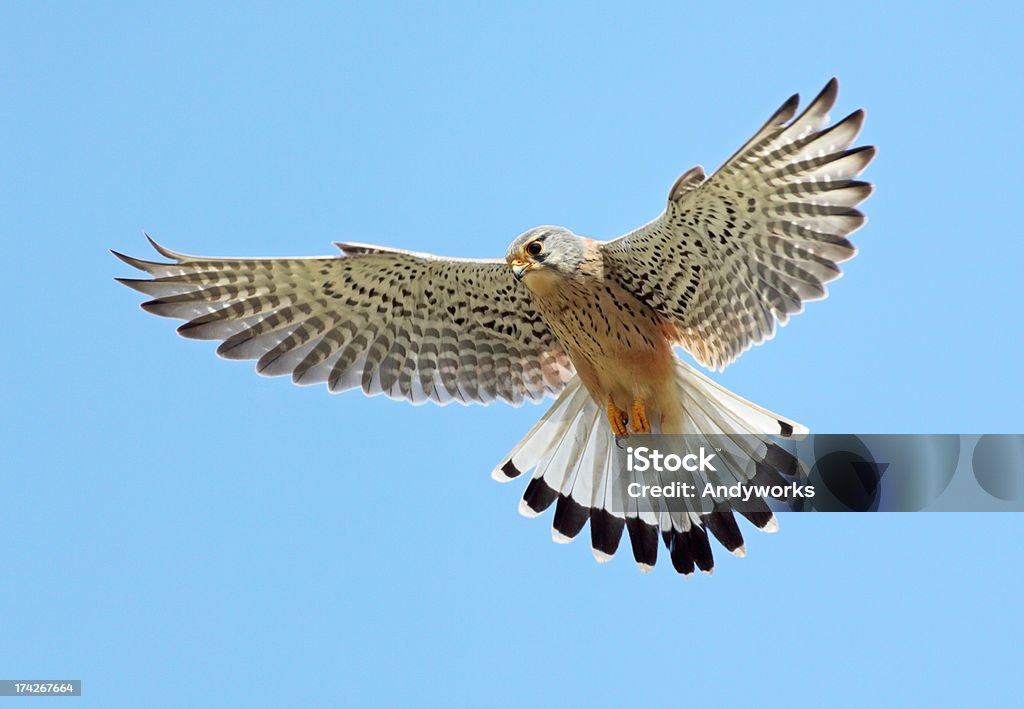
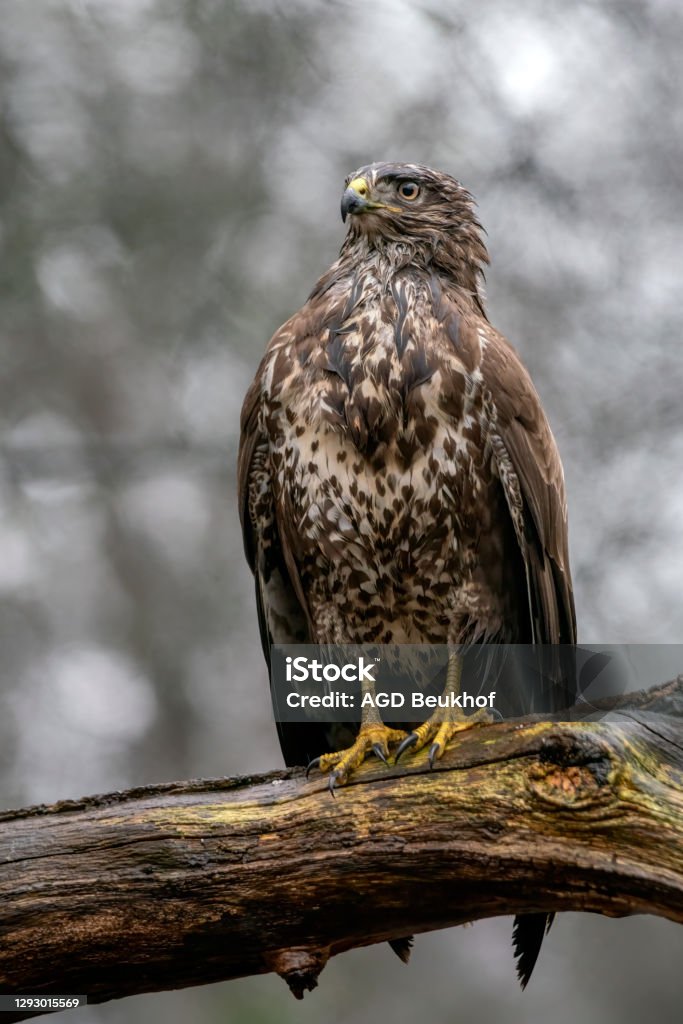
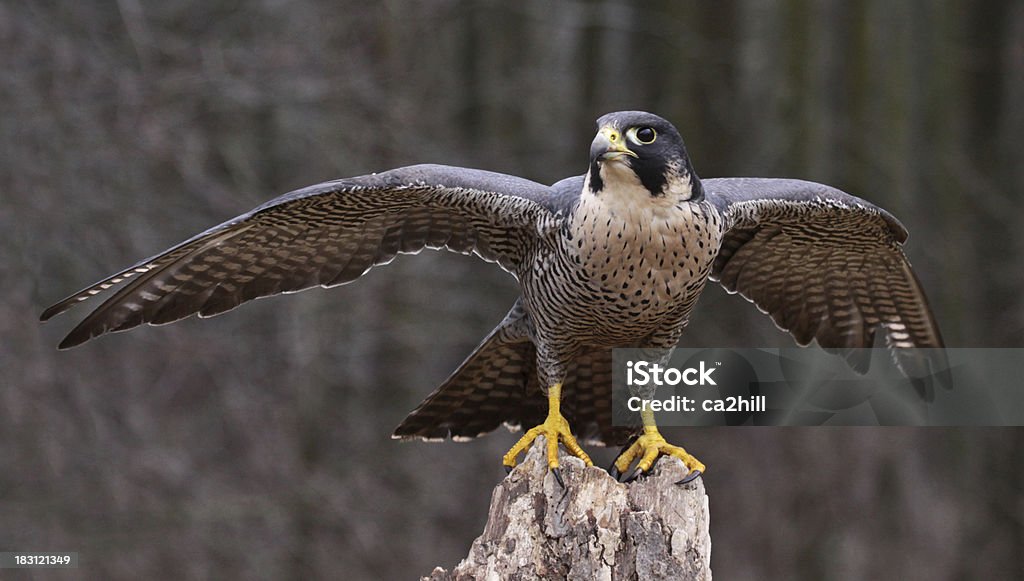

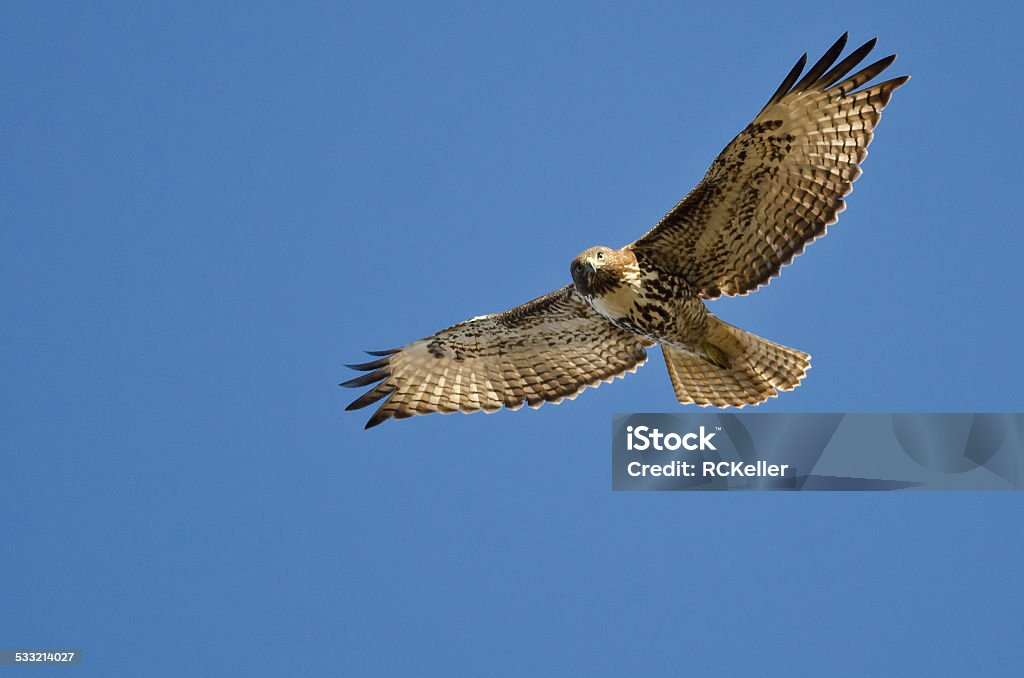
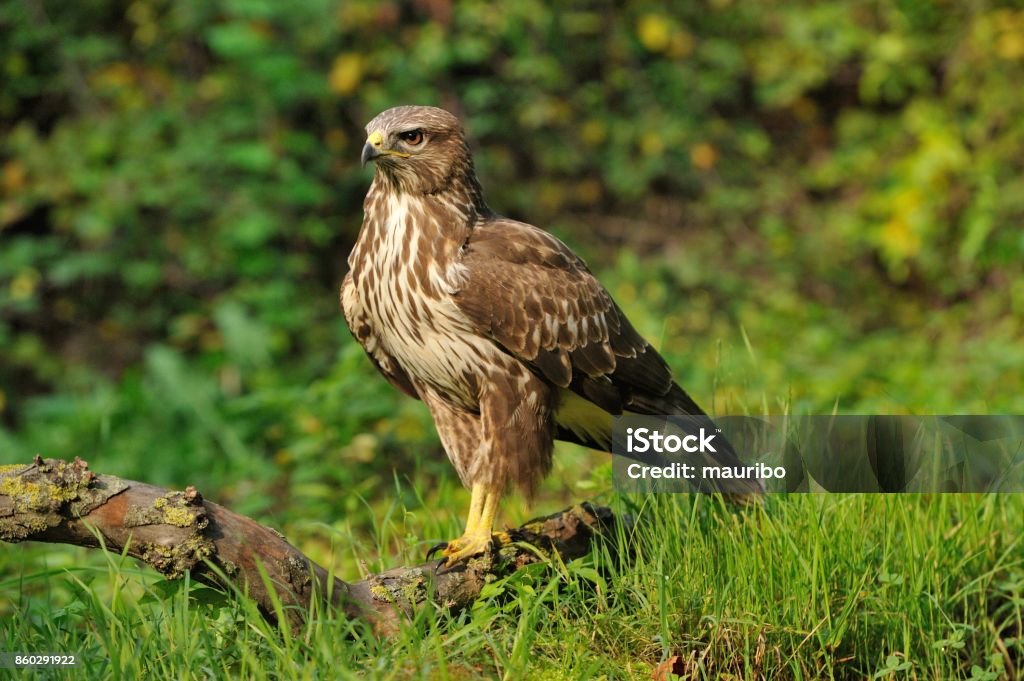
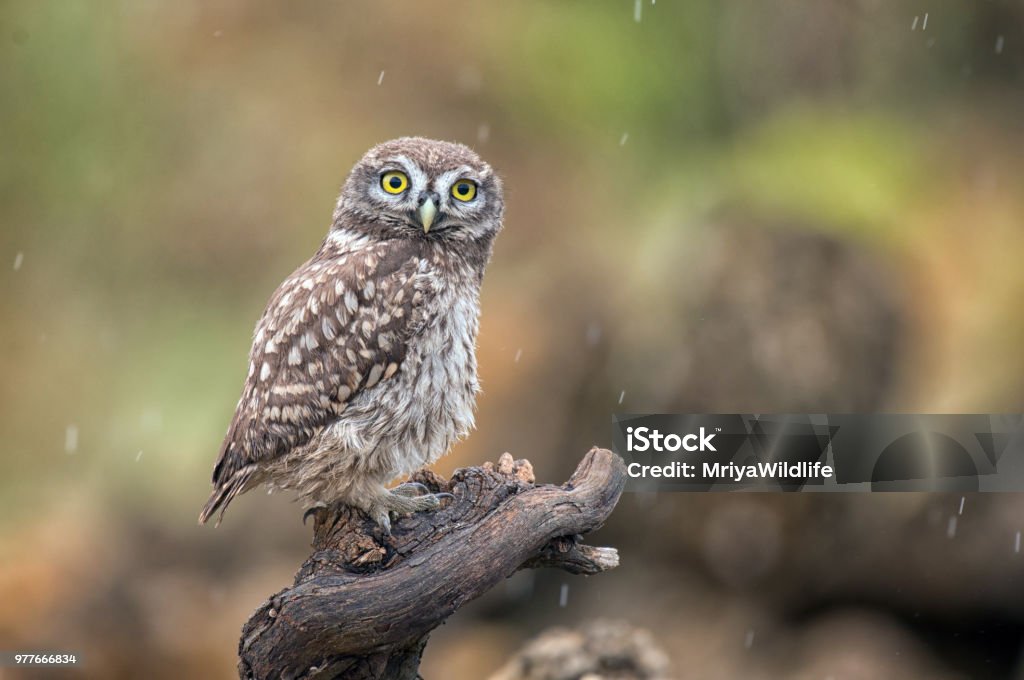
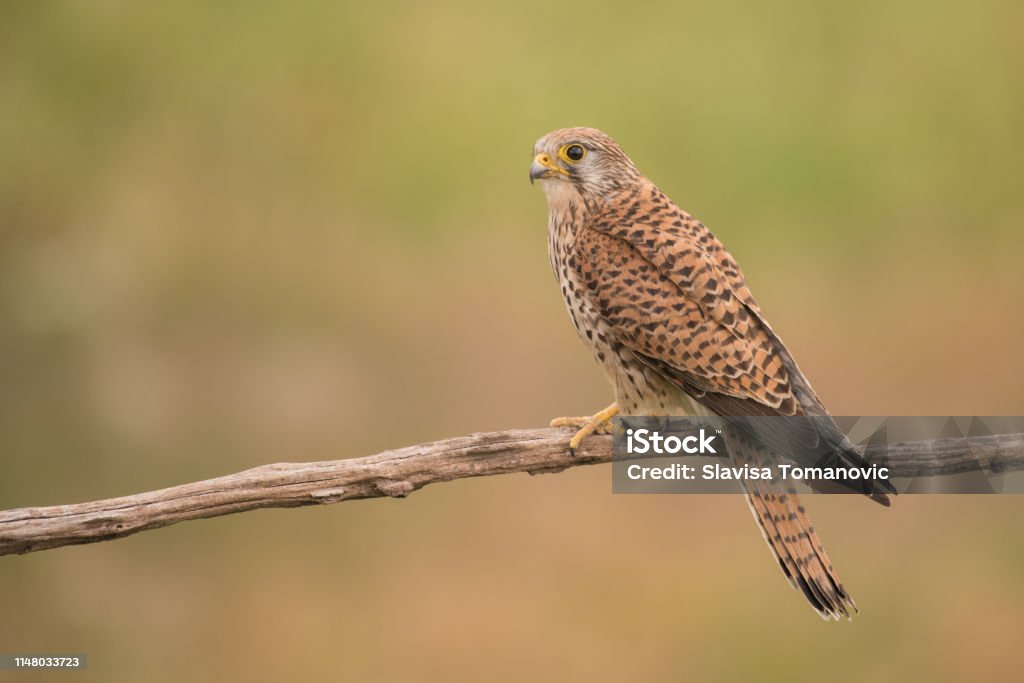


Owls
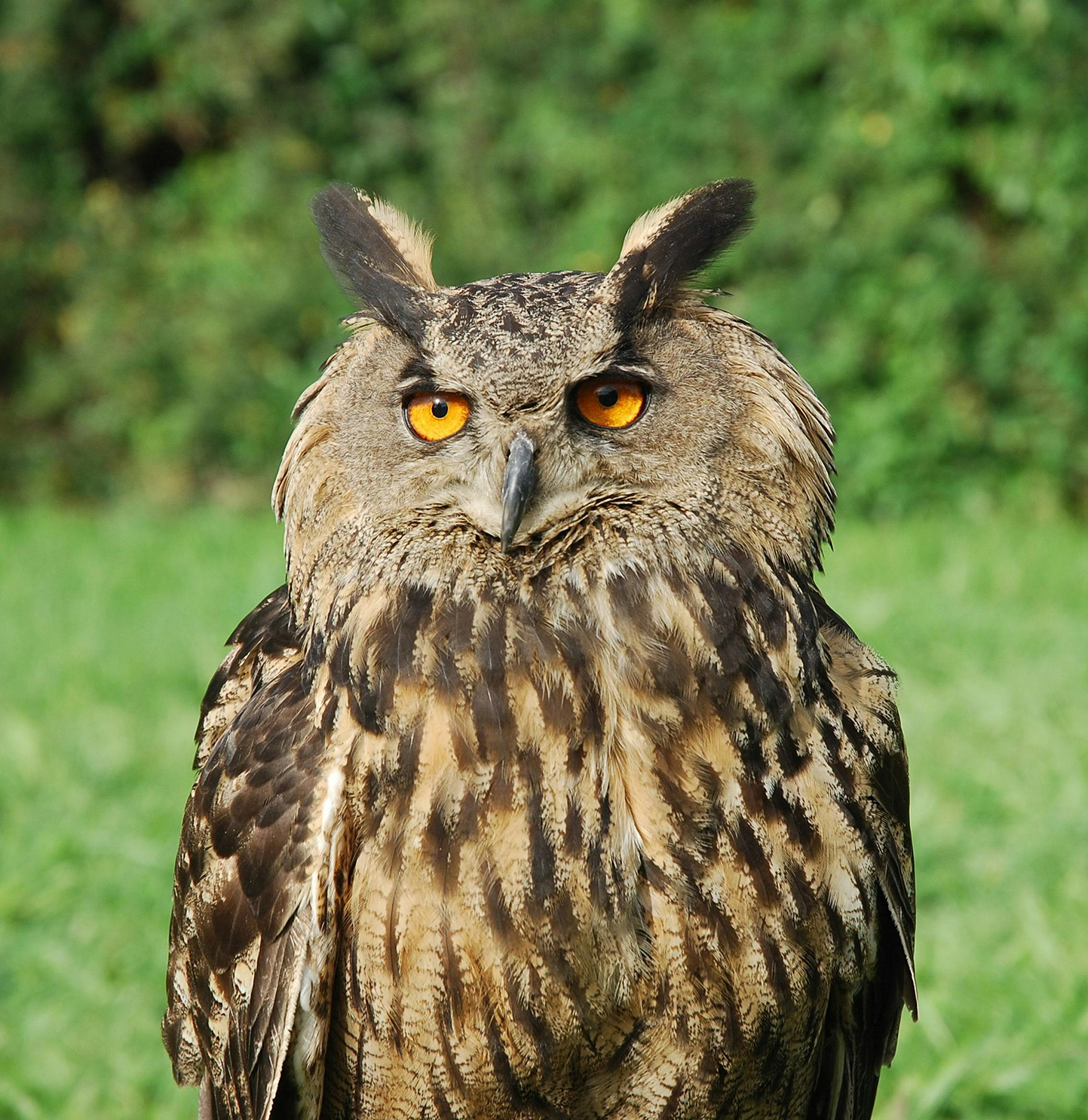
It measures 60-75 cm in body length, making it the largest owl species in Serbia, with a robust and compact body and powerful talons. It is characterized by prominent ear tufts on its head, brownish-rusty plumage, dark back with dark spots, and broad longitudinal stripes on the belly. This species is distributed across a broad region of the European continent, Asia Minor, the Middle East, and an extensive area of temperate and central Asia, reaching as far as the Pacific coast. The Eurasian eagle-owl inhabits a variety of environments that provide suitable conditions for nesting and foraging, including gorges, canyons, mountainous areas, cliffs, semi-deserts, forests, and coastal regions. It nests in crevices within cliffs, on the ground, and occasionally in ruins of old buildings or scree slopes. The eagle-owl is primarily nocturnal but remains active during the day when raising its young. On Kopaonik, the Eurasian eagle-owl resides in all habitats ranging from the foothills to the high mountain screes. It has been recorded from Đorov krš to areas with rock formations in the highest parts of Kopaonik.
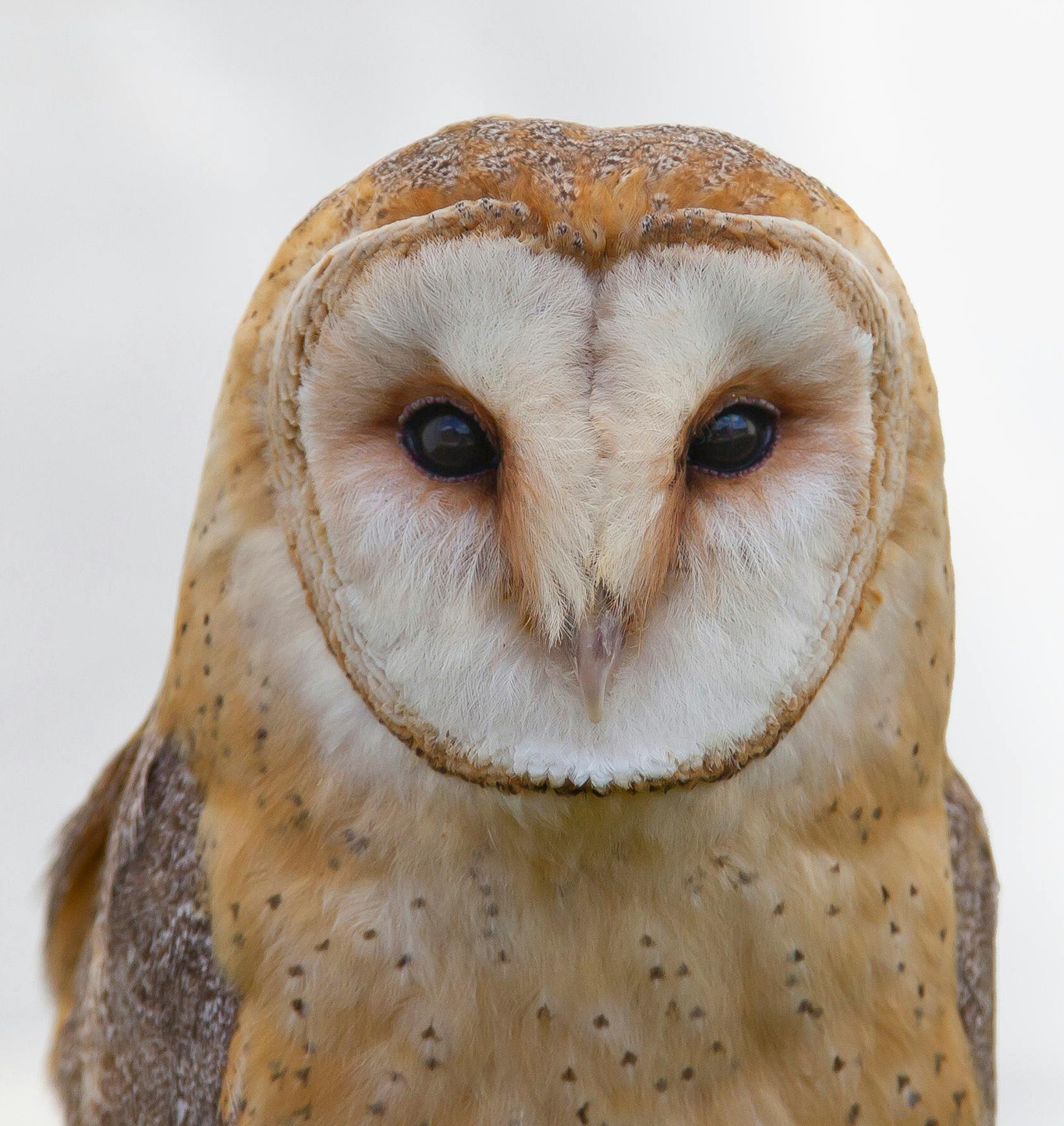
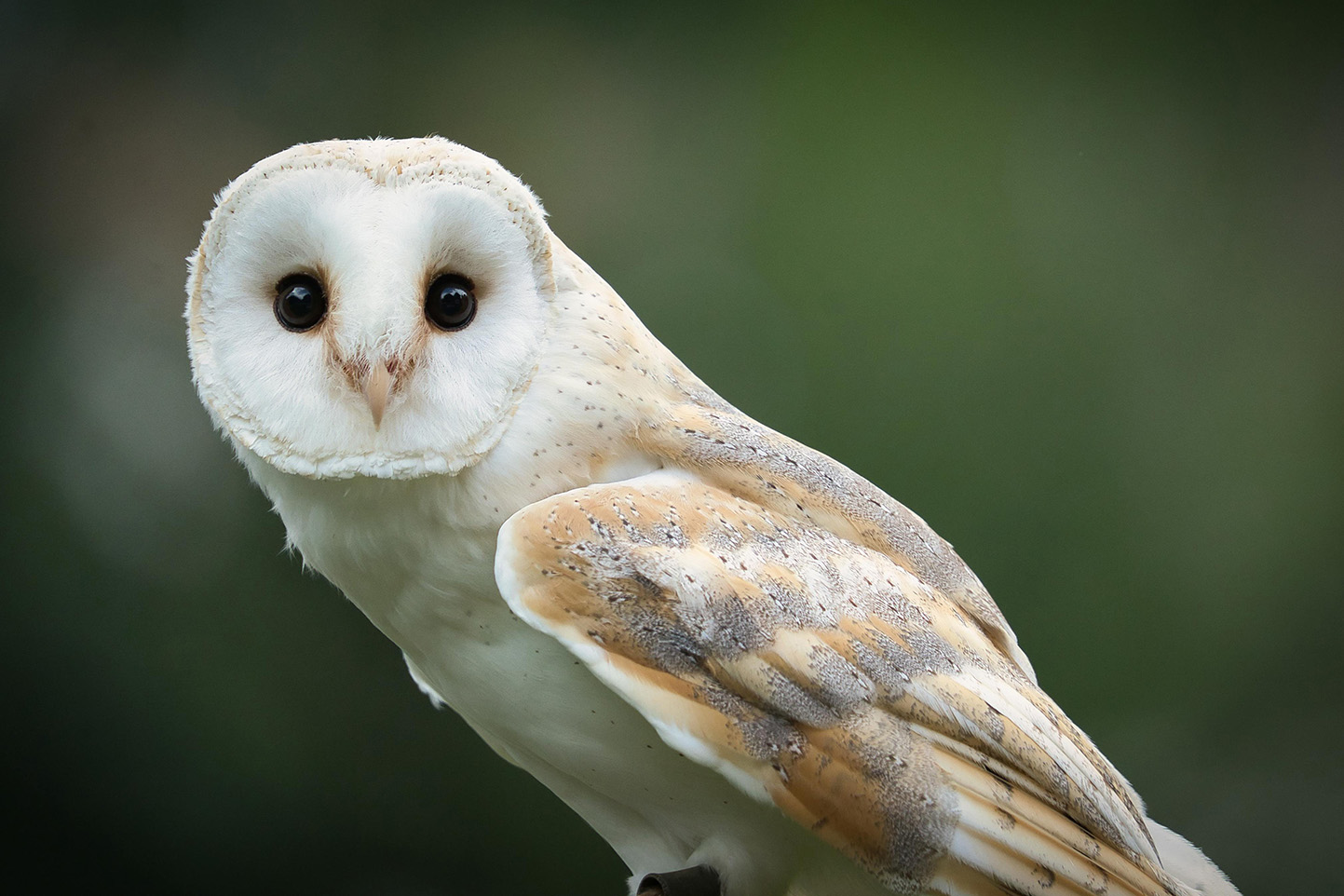
33-39 cm in body length. A distinctive feature is its white, heart-shaped “face.” The eyes are black. The dorsal plumage is predominantly gray, while the flight feathers are tawny and speckled with gray. The ventral plumage varies between tawny and white depending on the subspecies. Barn owls are primarily found in human settlements, where they nest in the attics and roof spaces of abandoned buildings. They construct their nests from accumulated old barn owl pellets. Their diet consists of small mammals, small birds, and large invertebrates. The European population is declining due to excessive pesticide use, loss of nesting and foraging habitat, and road mortality.
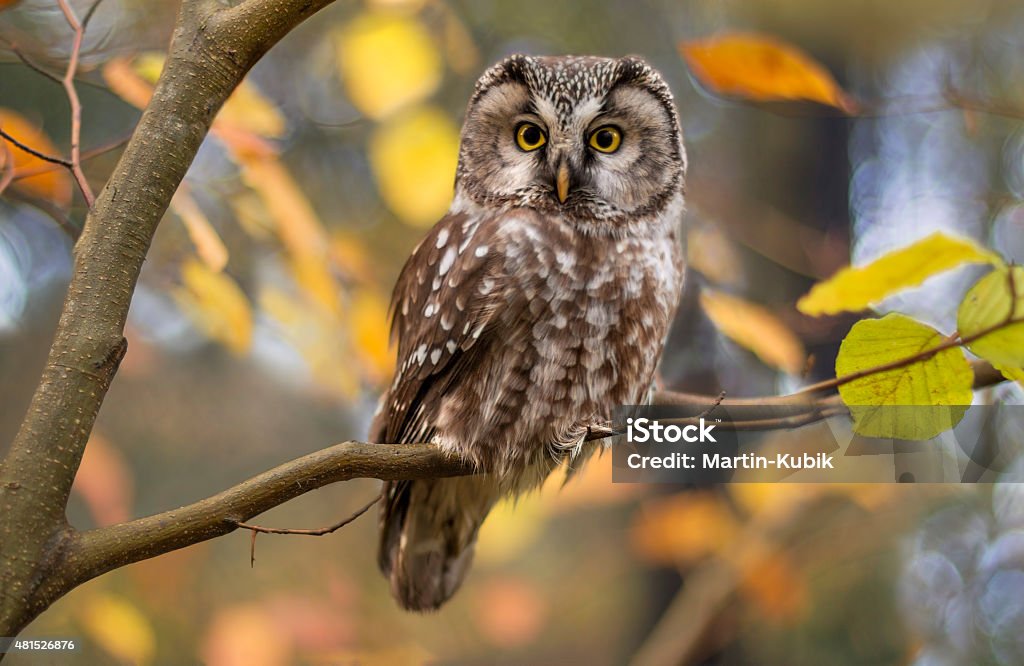
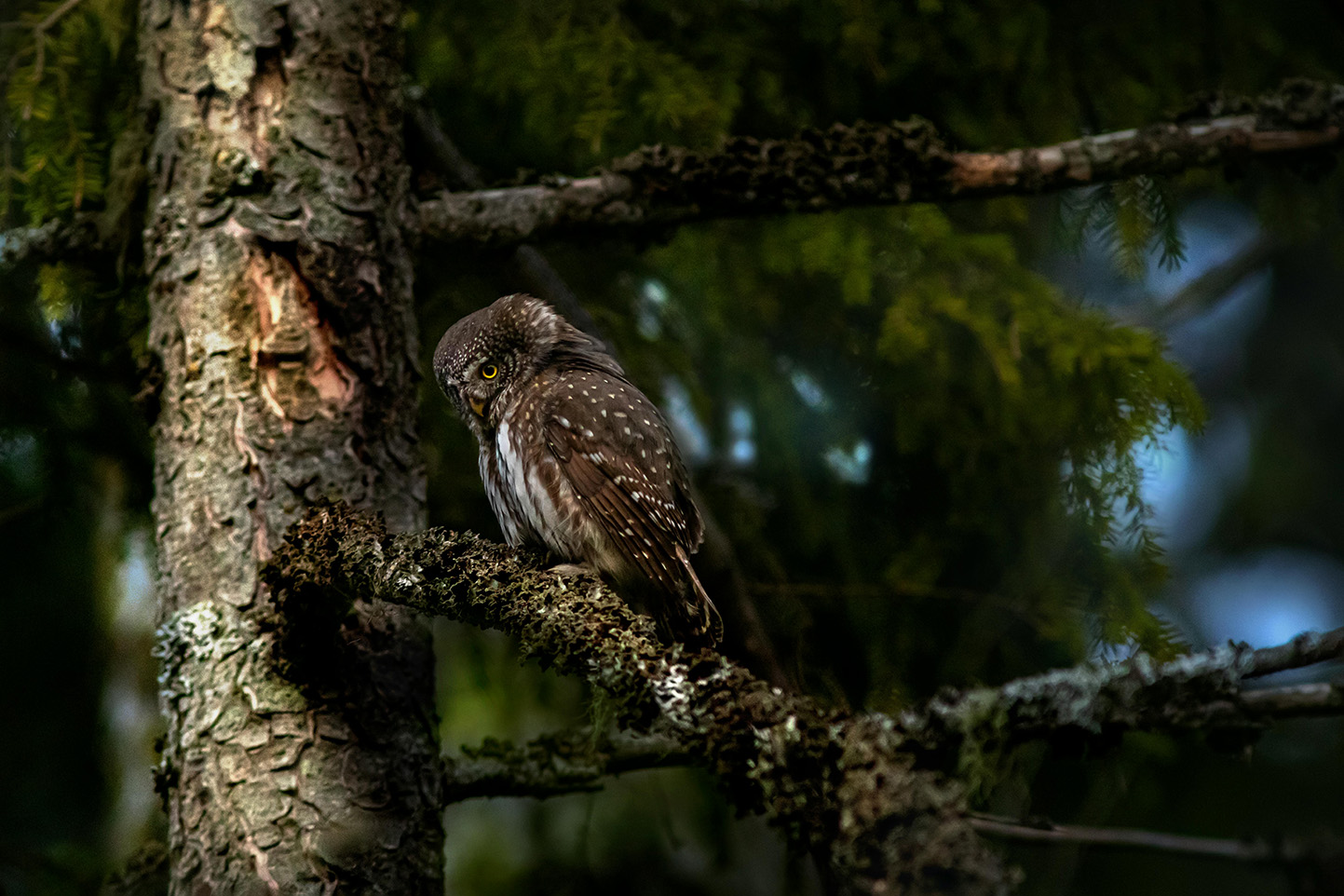
The Boreal Owl is a small-sized owl species, with a body length of 22-27 cm and a wingspan of 50-62 cm. The dorsal side of the body is dark chocolate brown, marked with prominent spots and speckles. The ventral side (chest and abdomen) is dirty white, richly streaked with tawny or dark brown bars. The head is large with prominent yellow eyes, and the tail is short, adorned with sparse white bars. The Boreal Owl is strictly protected as a natural rarity under the Regulation on the Protection of Natural Rarities, which prohibits any disturbance, harassment, and killing of birds, as well as the destruction of their habitats. The most significant population of this species in Serbia is found on Kopaonik, where it is characteristic of high-altitude spruce forests.
Gallery of owls