The mammalian fauna of Kopaonik consists of 40 species: 9 species of insectivores (Insectivora), 5 species of bats (Chiroptera), 1 species of lagomorph (Lagomorpha), 14 species of rodents (Rodentia), 9 species of carnivores (Carnivora), and 2 species of ungulates (Artiodactyla). All these species are native to Kopaonik, having inhabited the region since ancient times, with the exception of the American muskrat, which was introduced indirectly by humans around 40 years ago, spreading through the Ibar Valley and the northeastern foothills of Kopaonik. In the past century, four mammal species have been exterminated from this region, primarily due to human activities: the brown bear (Ursus arctos), which has been sighted sporadically in recent years but is considered to be transient without a permanent habitat, the lynx (Lynx lynx), the chamois (Rupicapra rupicapra), and the red deer (Cervus elaphus). Two species found in the Kopaonik National Park are listed on the International Red List of Europe (European Red List, UNESCO, New York, 1991), namely Muscardinus avellanarius (Rodentia) and Canis lupus (Carnivora), both classified as vulnerable species in terms of global conservation status.
Brown Bear (Ursus arctos)
The brown bear(Ursus arctos) is a species from the family Ursidae. Its movements may appear clumsy but are actually quite efficient. Its immense strength and powerful claws facilitate its movement, enabling it to traverse rough terrain and climb trees. The brown bear is not deterred by water and frequently enters it to cool off. Historically, it was widespread across Eurasia and North America. Today, it has been virtually eradicated from Western Europe, with remaining populations being small, isolated, and declining. Most brown bears exhibit a pronounced hump on their backs and possess formidable strength. Their jaws can exert enough force to move prey weighing up to 300 kg. Despite its seemingly awkward appearance, the brown bear is highly agile. It can walk upright on its hind legs, run, climb trees and steep cliffs, and swim proficiently. Its size varies depending on habitat; most brown bears weigh between 130 and 300 kg. In Europe, adult female brown bears average around 100 kg, while males average 150 kg, with some individuals exceeding 300 kg.

The bear searches for food every night and retreats to quiet, densely vegetated areas during the day, where it creates a daytime bed. The brown bear leads a solitary life and generally becomes aggressive only in rare circumstances, with North American bears being more prone to aggression than their European counterparts. European brown bears are more placid and tend to avoid humans, although females can become dangerous when rearing their young. Breeding occurs from late May to mid-July. During this period, males cover large distances, fight with each other if they encounter the same female, and each male competes to mate with as many females as possible. A female may mate with multiple males in one breeding season, so it is possible for all cubs in a single litter to have different fathers. Cubs are born in mid-winter during hibernation. Males can pose a particular threat to cubs, often killing them to encourage the female to breed again.
Chamois in Kopaonik National Park
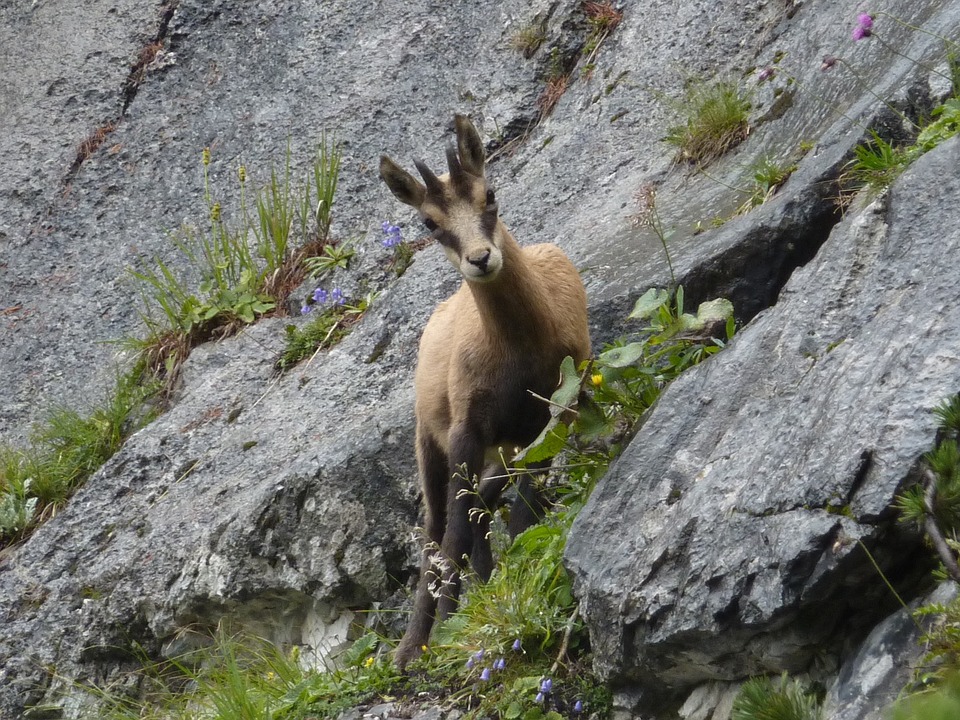
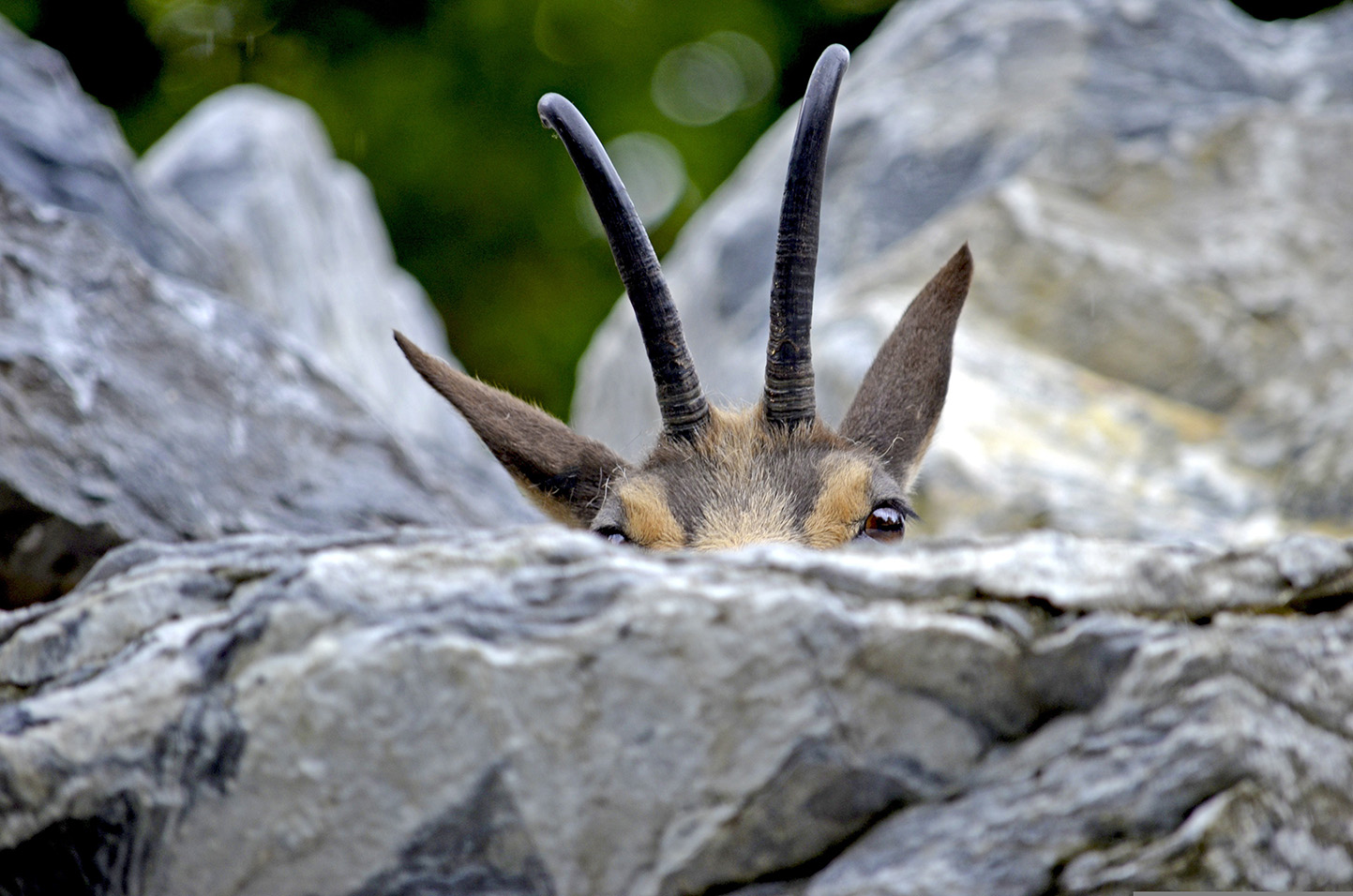
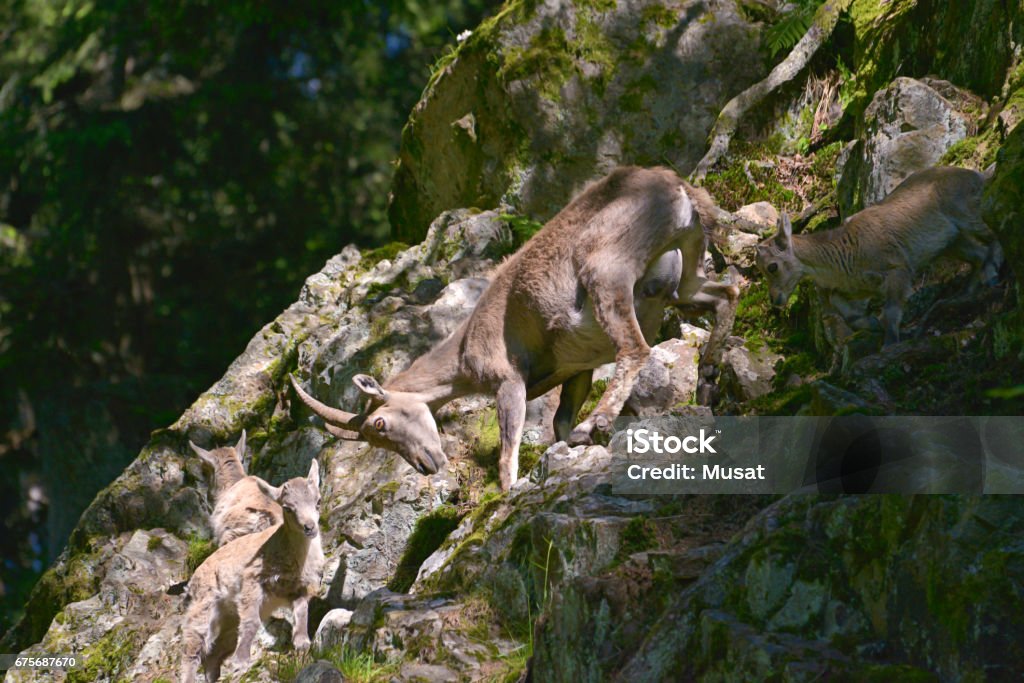
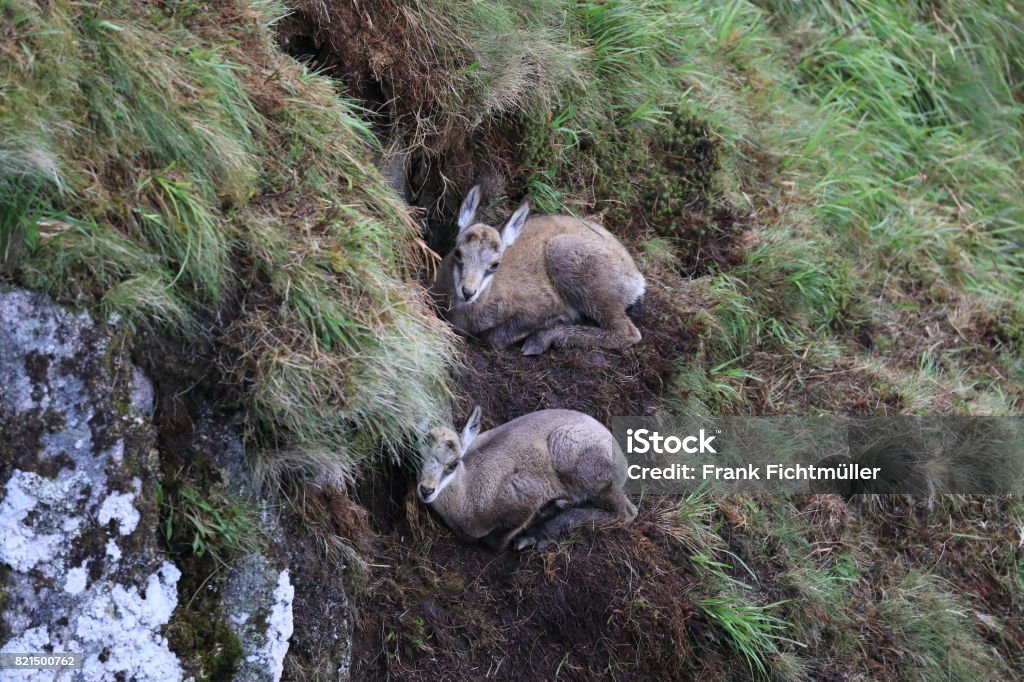
The Balkan chamois (Rupicapra rupicapra balcanica) represents a remarkable and resilient example of the wild fauna of the Balkan Peninsula. It exhibits impressive adaptability and can be found in the harshest living conditions of mountainous regions. The fur of the Balkan chamois changes throughout the year to adapt to varying conditions. During the summer, the fur is dark brown to reddish-brown, while in winter, it lightens to a grayish-brown. Both males and females have backward-curving horns, but males typically possess larger and more robust horns than females. Their natural habitat includes the mountainous regions of the Balkan Peninsula, encompassing Albania, Bulgaria, Greece, North Macedonia, Serbia, and parts of Montenegro. These magnificent animals are distinguished by their exceptional climbing abilities, enabling them to traverse steep and rocky terrain with ease. They are also known for their endurance and resourcefulness in extreme weather conditions. Balkan chamois can find food even in sparse mountain meadows, feeding on various plants, leaves, grasses, and shrubs. Their excellent sense of smell and vision aids them in locating food and recognizing potential threats. Unfortunately, the population of Balkan chamois is declining due to threats such as habitat loss from human expansion, uncontrolled hunting, and changes in climatic conditions. Kopaonik National Park, in collaboration with the Forest Administration and Tara National Park, has initiated activities aimed at the reintroduction of the Balkan chamois. The first chamois were introduced from Tara to Kopaonik in 2021 and are now located in the Kozja Stene reserve.
Breeding ground for European red deer (Cervus elaphus L.) and wild boar (Sus scrofa L.)
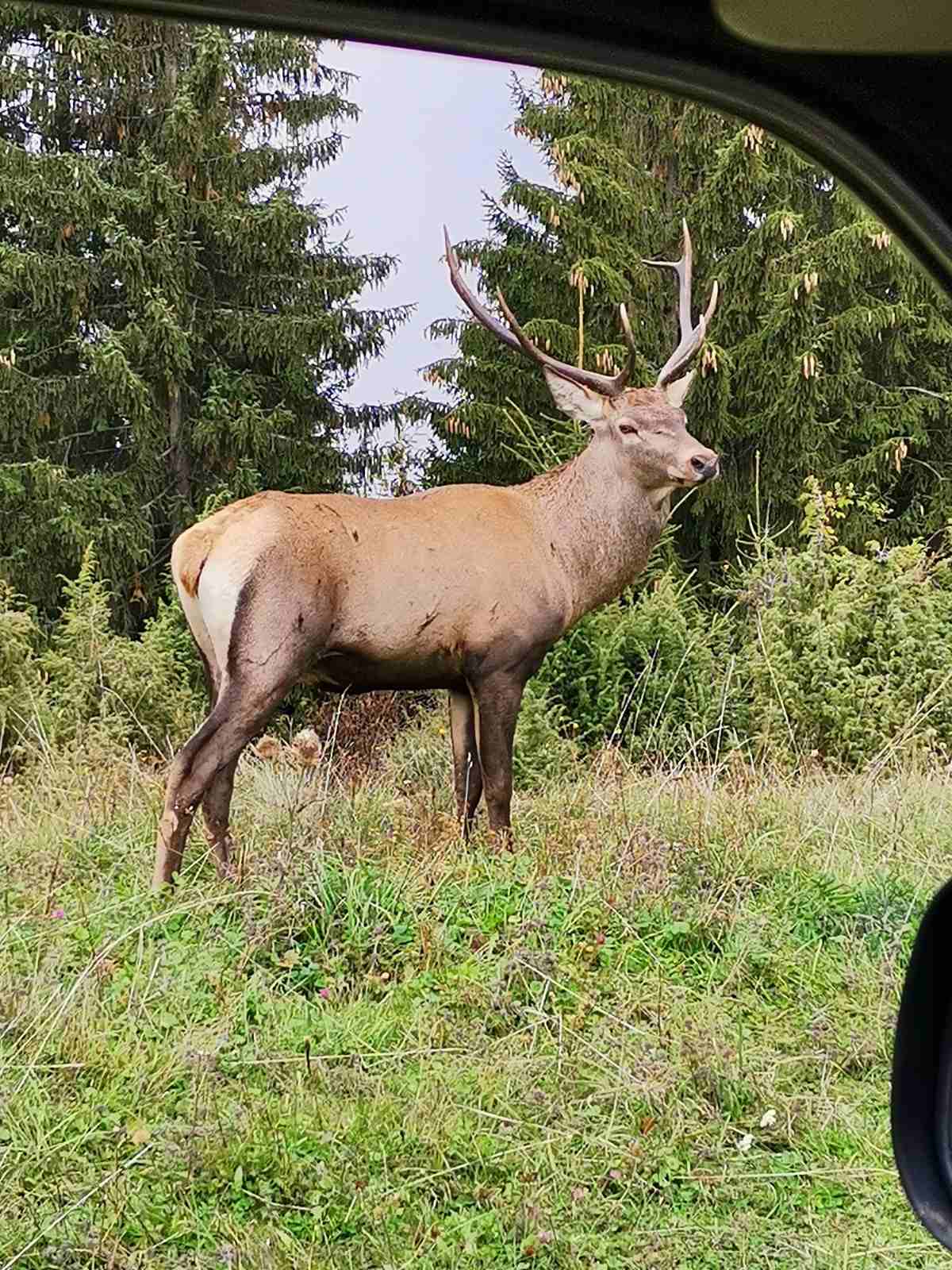
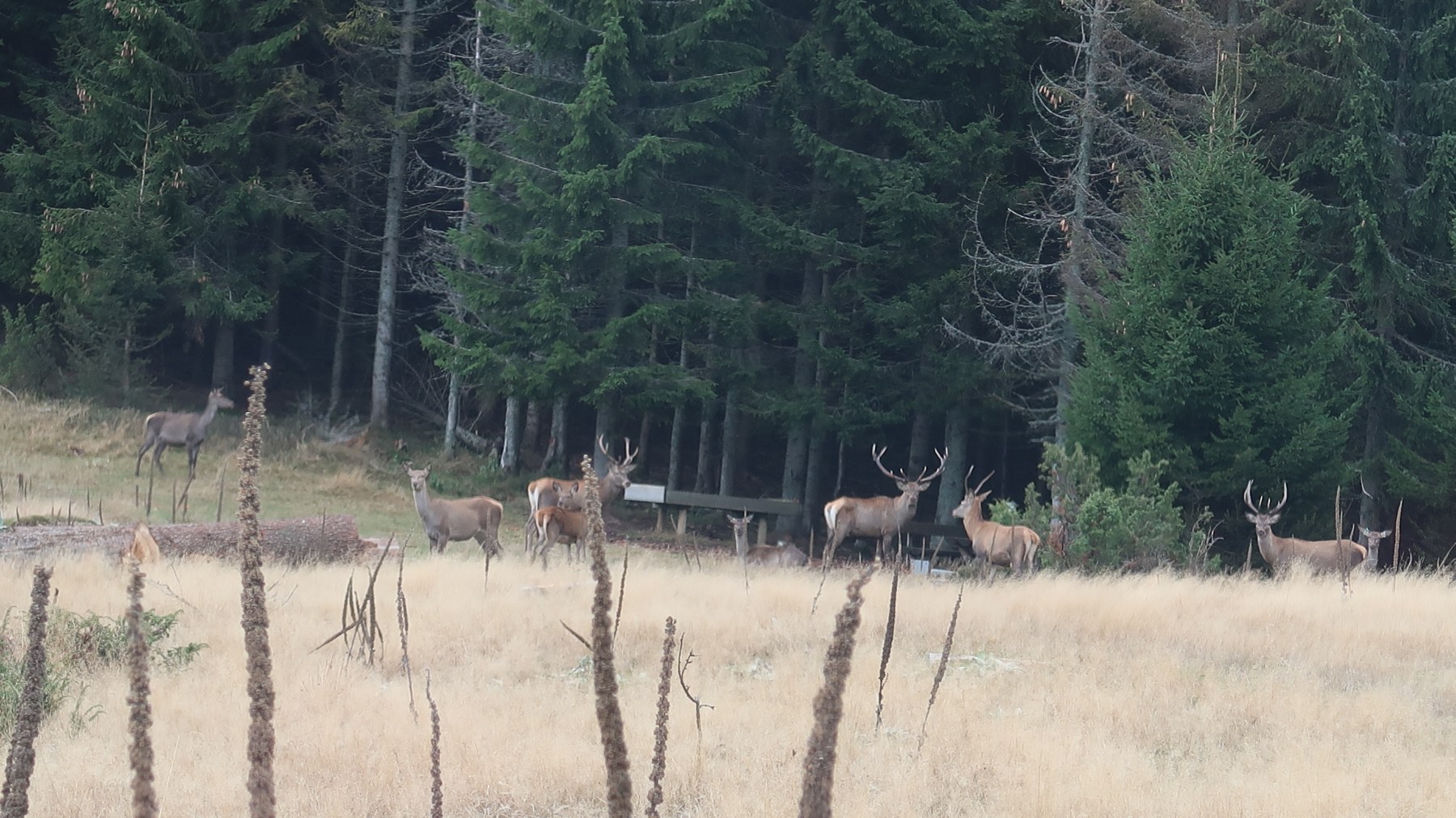
According to historical records, the European red deer once inhabited the Kopaonik area. Notably, Count Gregor Minster, a renowned hunting expert and author of the book “Der Hirschruf der”, described his hunt on Kopaonik in September 1873, where he recorded the presence of red deer among other game species. He detailed his experience, noting that he harvested a “non-typical ten-pointer with a velvet and quite high, but unfortunately very thin antlers.” The primary reasons for the disappearance of the European red deer from Kopaonik were disturbed peace and increased poaching, as adequate control and protection could not be established. In 2016 and 2017, signs of deer were observed on the southern slopes of Kopaonik National Park, and during the autumn-winter of 2018, a deer was sighted by the park’s ranger service. In 2020, the public enterprise “National Park Kopaonik” initiated the reintroduction of red deer into a fenced breeding area of 196 hectares. The main objectives of increasing the populations of European red deer and wild boar are to form variable populations, maintain them within the capacity of their environment, and ultimately valorize these species as resources. The valorization of red deer and wild boar as natural resources, in terms of socio-economic aspects, has particular significance through the enrichment of the tourist and eco-tourist offerings in Kopaonik National Park. Strengthening the red deer population also indirectly enhances the condition of forest and other ecosystems within the park. The role of red deer in maintaining the “dynamic equilibrium of ecosystems” is well known, as it involves the reduction of certain plant species (such as ivy, hawthorn, blackberry, wild raspberry, and other species found in grazing areas), particularly evident during the winter period. The natural conditions for cultivating European red deer and wild boar on Kopaonik suggest that it could be developed as a breeding ground for these species.
Wolf (Canis lupus)
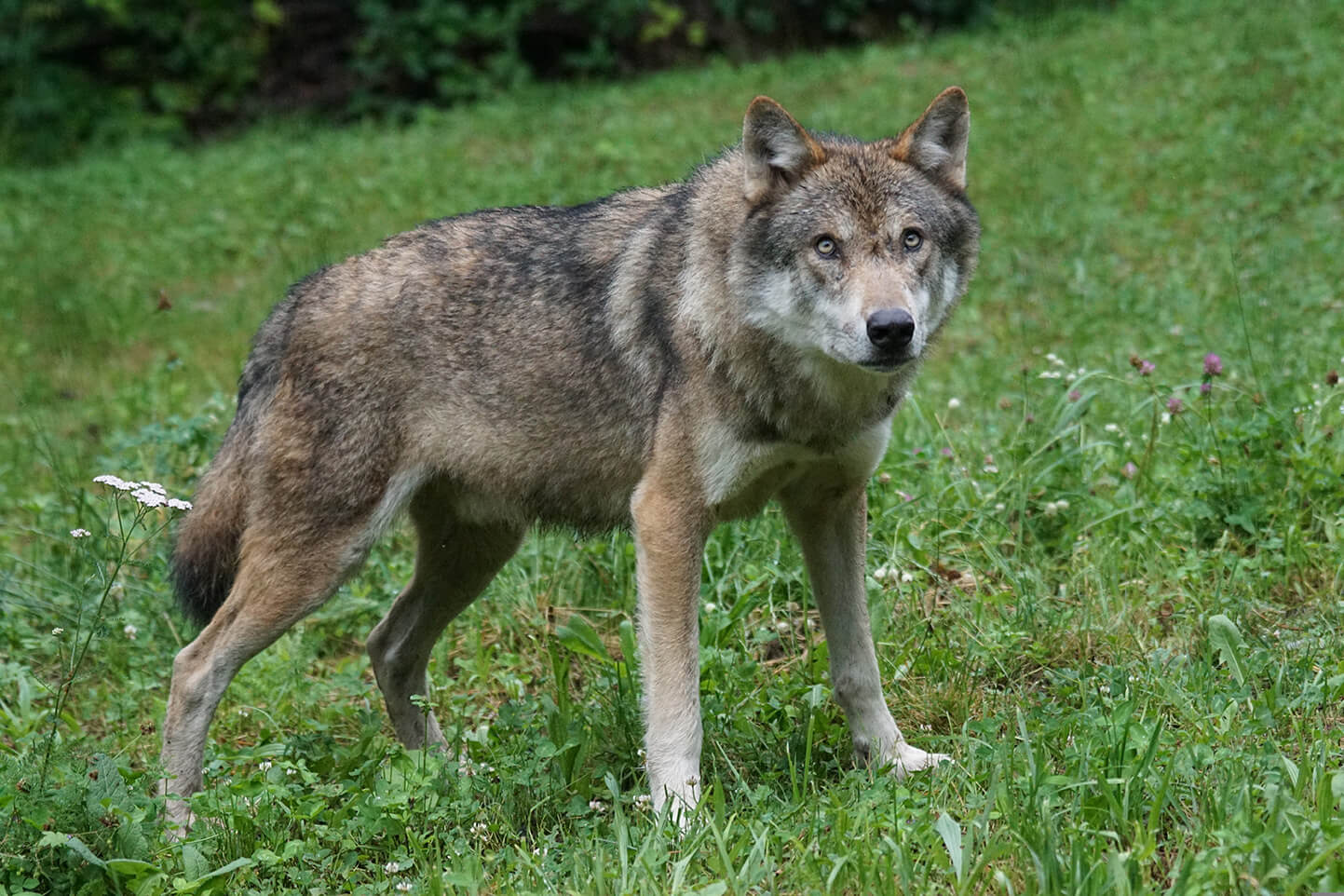
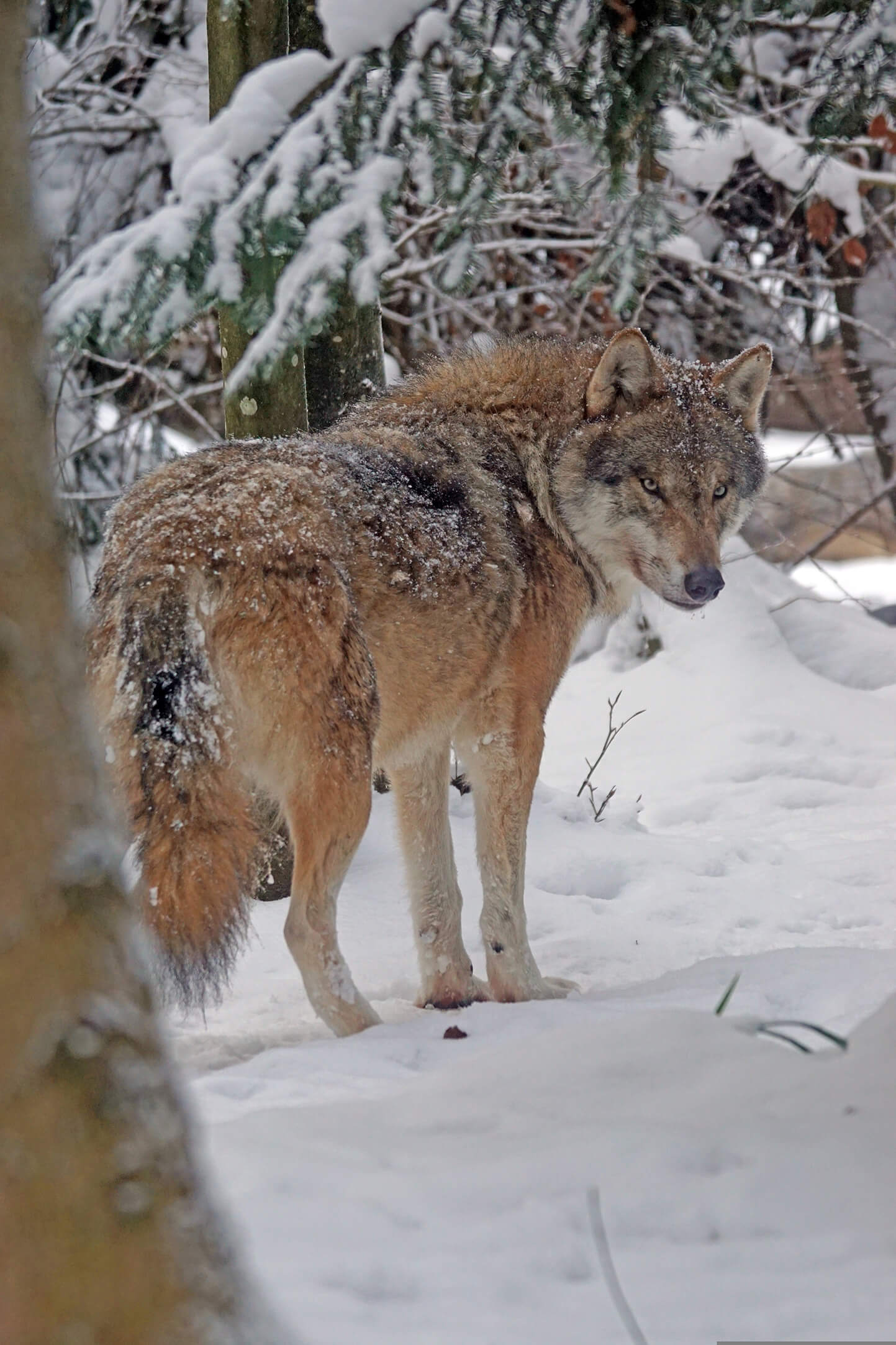
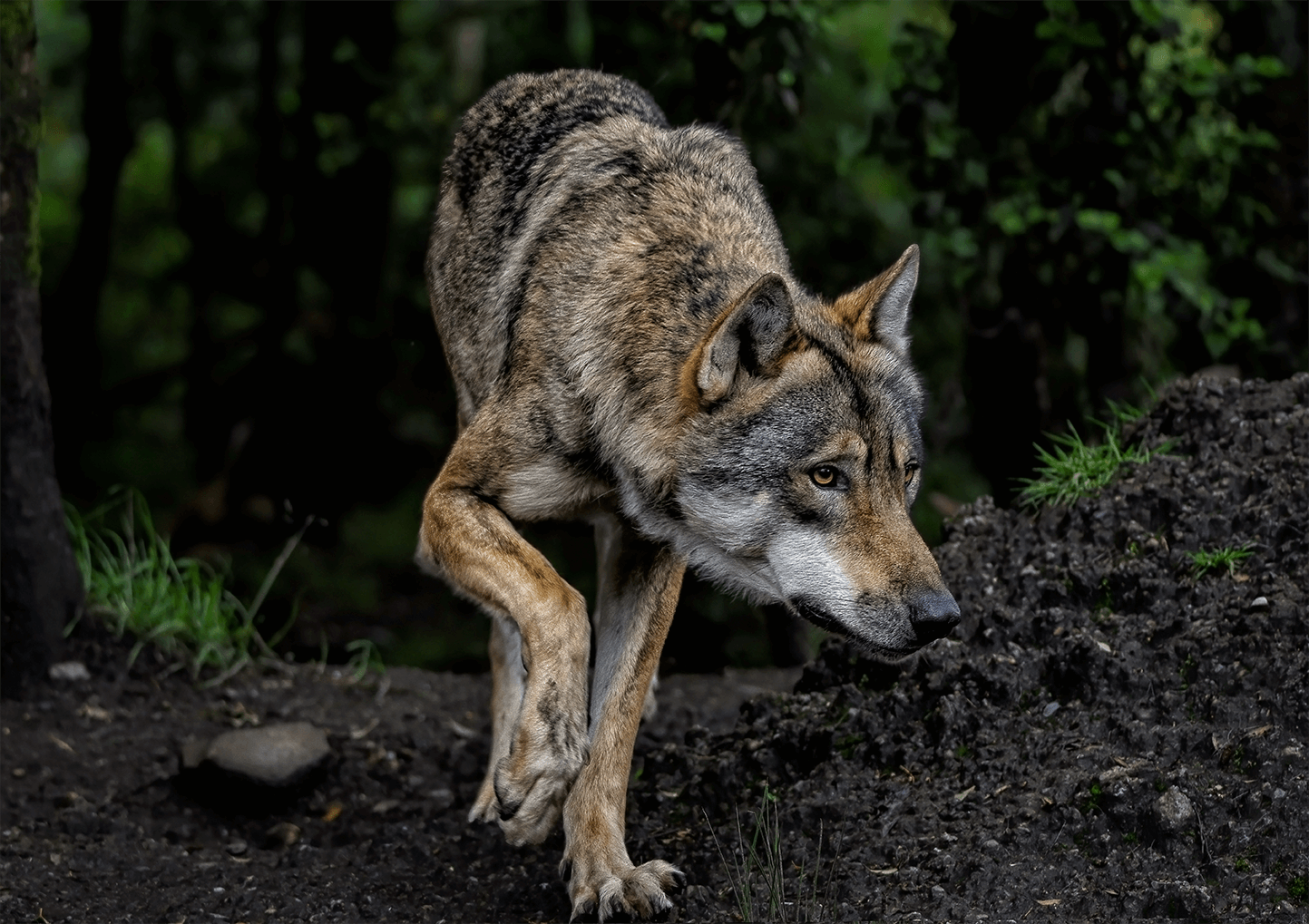
The wolf (Canis lupus) is the largest representative of the Canidae family in our region, of medium size, with a robust body adapted for hunting through fast and enduring running. Although primarily a predator and carnivore, the wolf is quite adaptable in terms of its diet. In Serbia, it is relatively widely distributed, inhabiting mostly wooded areas, both lowland and mountainous, but it can also be found near human settlements. Essentially a territorial animal, it is highly social with a pronounced hierarchy within the pack. In the Kopaonik National Park, packs have been recorded in the northern, eastern, and southern parts. The species is protected under national and international legislation.
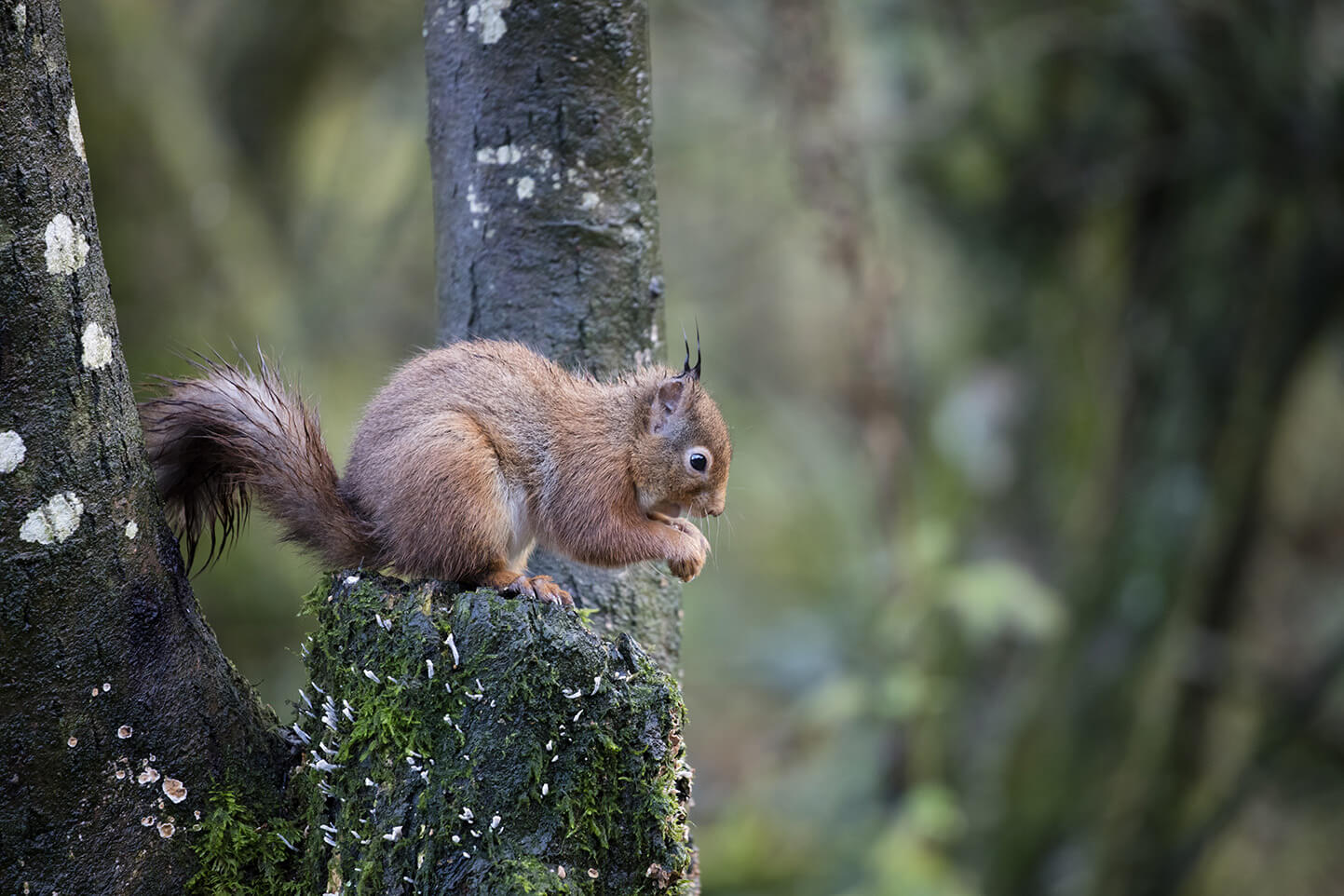
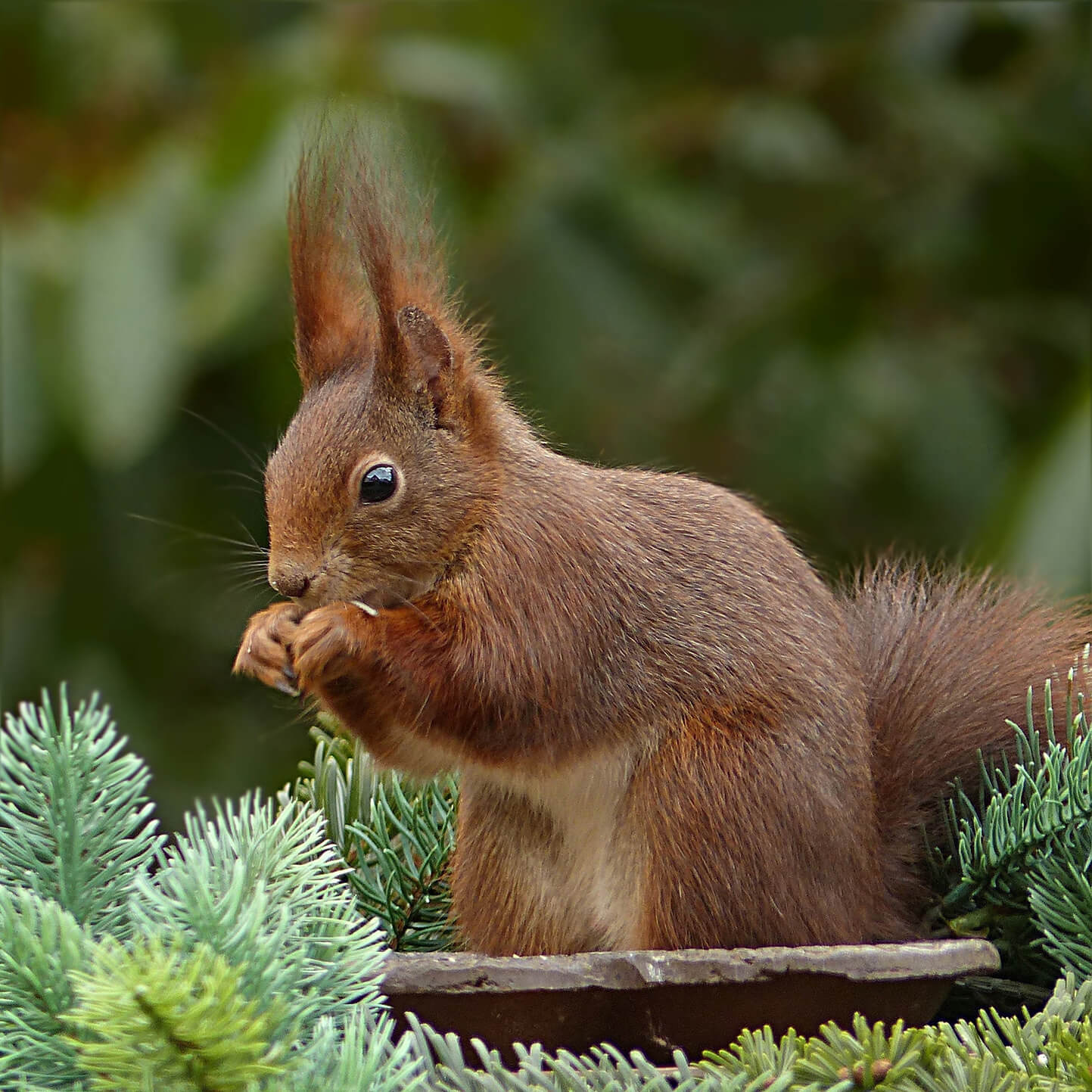
The Eurasian red squirrel (Sciurus vulgaris) is a rodent from the family Sciuridae, characterized by its dark, reddish-brown fur in summer and brown fur in winter, a conspicuous bushy tail, and tufts of hair on its ears. Its hind legs are longer than its front legs. The diet primarily consists of conifer seeds and nuts (such as walnuts and hazelnuts), forest fruits, fungi, and tree bark. It stores food supplies for later use. The Eurasian red squirrel is widely distributed in Serbia, with the exception of central Vojvodina. Its habitat primarily includes coniferous forests, but it is also commonly found in urban parks. Adapted to life in tree canopies, it builds nests in hollow tree trunks. It is predominantly active at dawn and dusk.
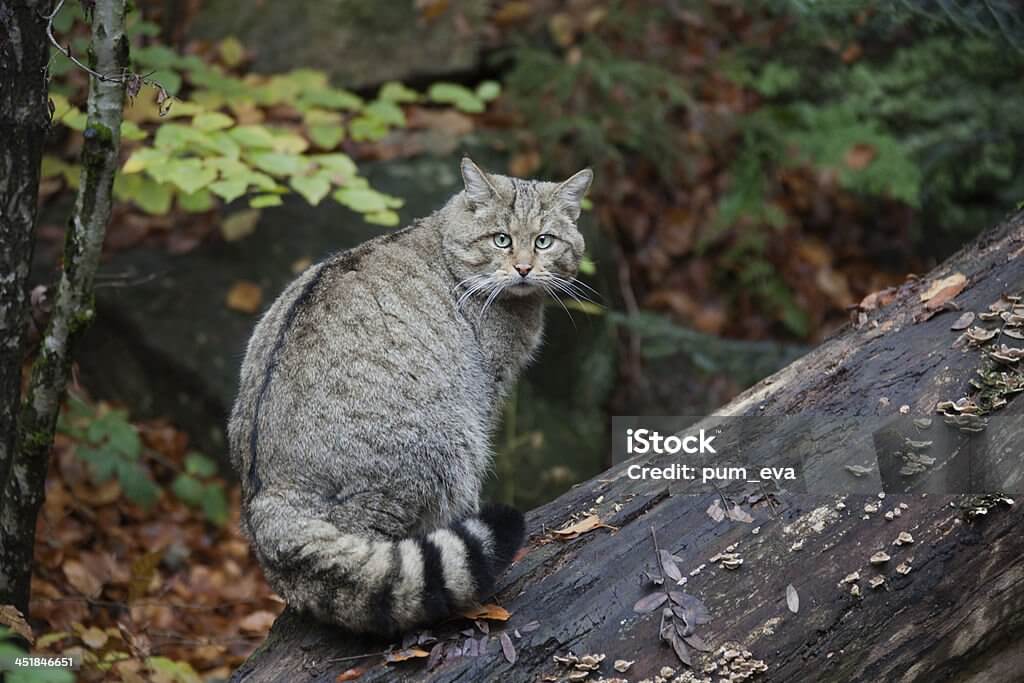
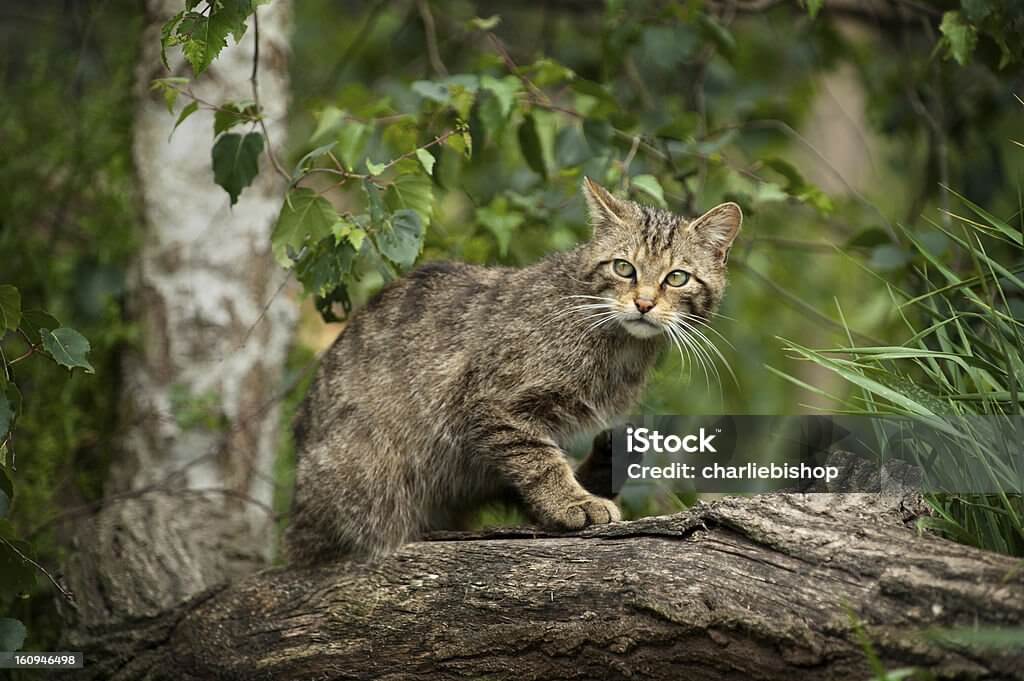
The wildcat (Felis silvestris) is a member of the Felidae family, resembling the domestic cat but larger and more robustly built. It is characterized by a distinctive, bushy, and massive tail with 3-5 rings of black fur. The wildcat primarily feeds on rodents and hares, but also occasionally preys on birds and amphibians. In Serbia, it is widely distributed but remains relatively sparse across most areas. Its natural habitats are predominantly deciduous oak, beech, or mixed forests with clearings. The wildcat constructs dens in tree hollows, rock crevices, and also utilizes abandoned burrows of other animals.
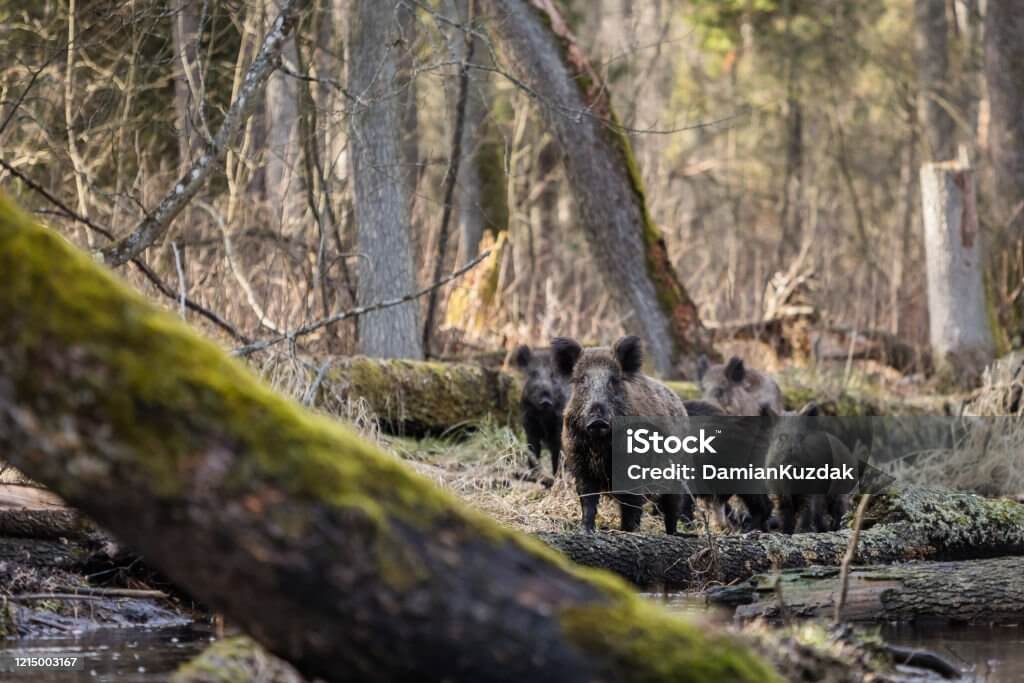
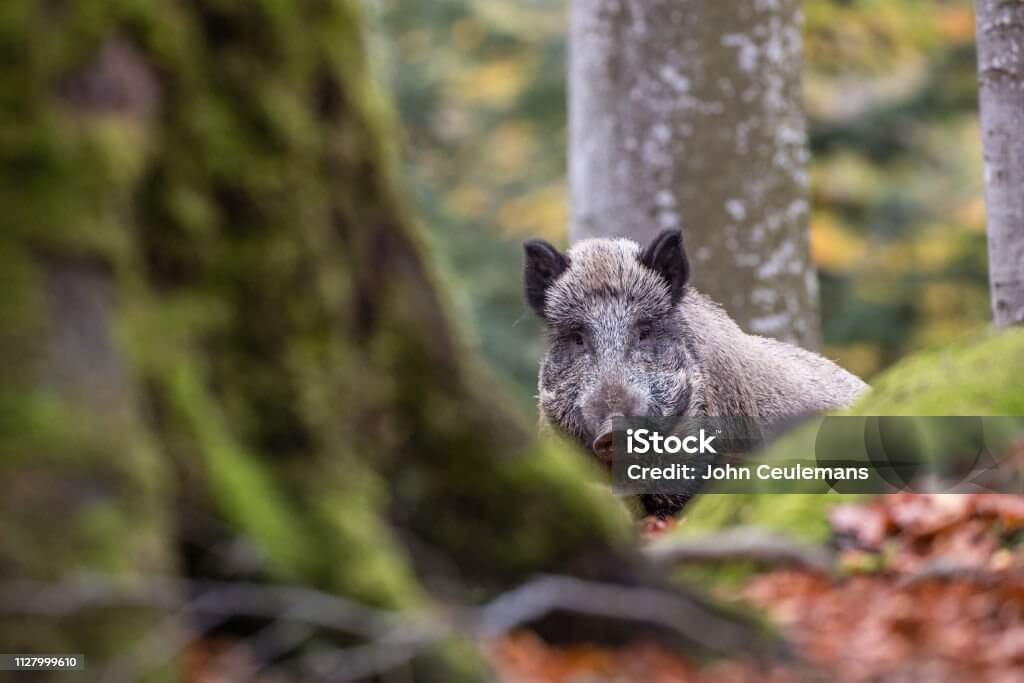
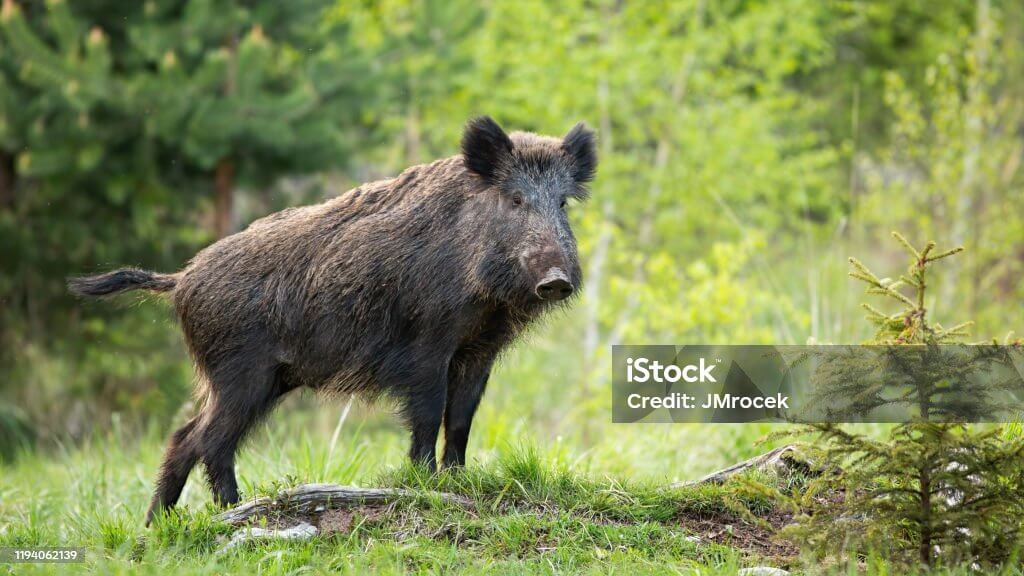
The wild boar (Sus scrofa) is a member of the Suidae family with a robust, muscular, conical body structure. It is high at the shoulders and flattened at the sides, with a large elongated head and short legs. As an omnivore, it has a broad ecological niche in its food selection. The wild boar inhabits much of Serbia, predominantly residing in oak and beech forests. It lives in groups formed by females with their young, while adult males are generally solitary.
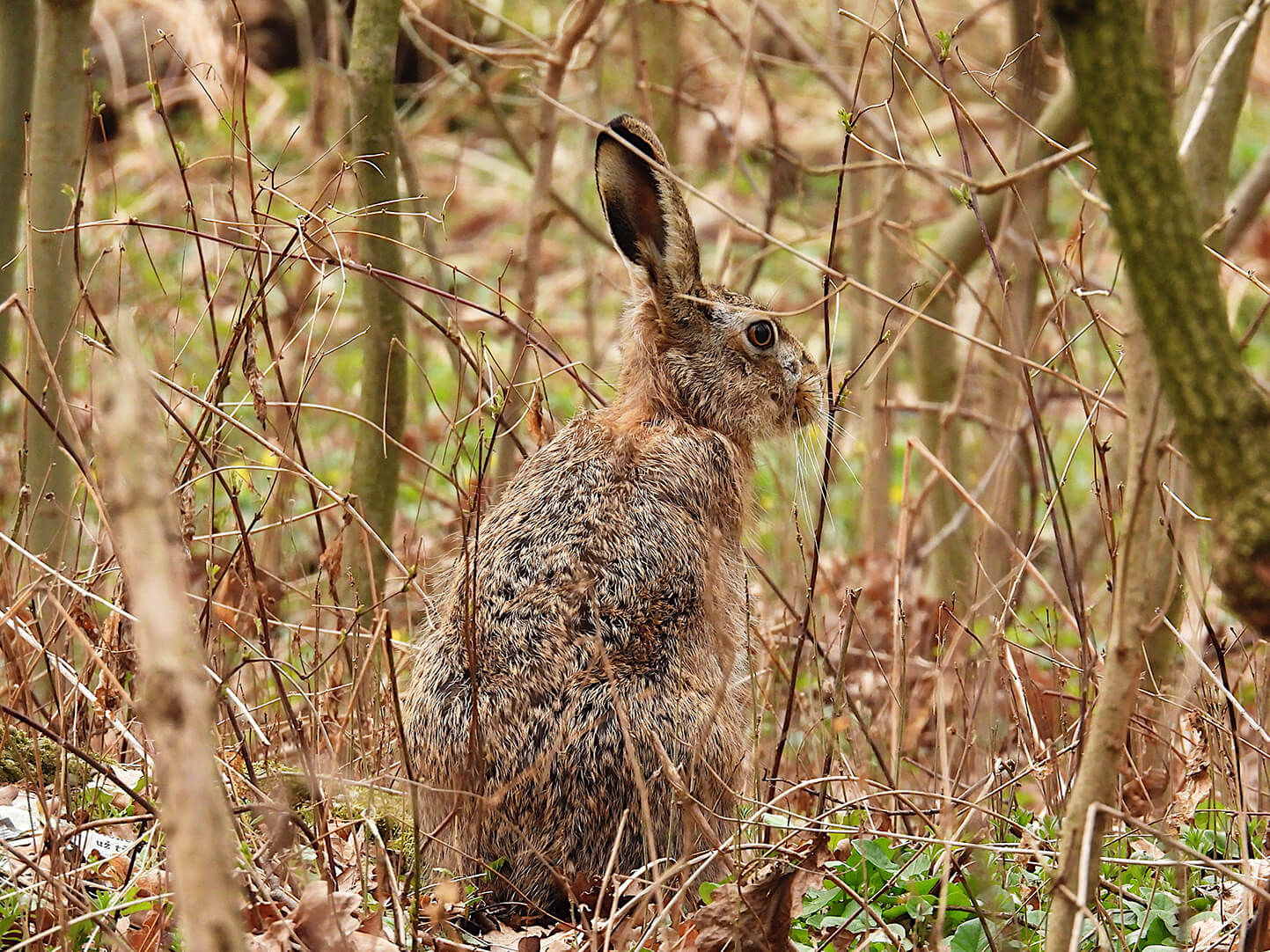
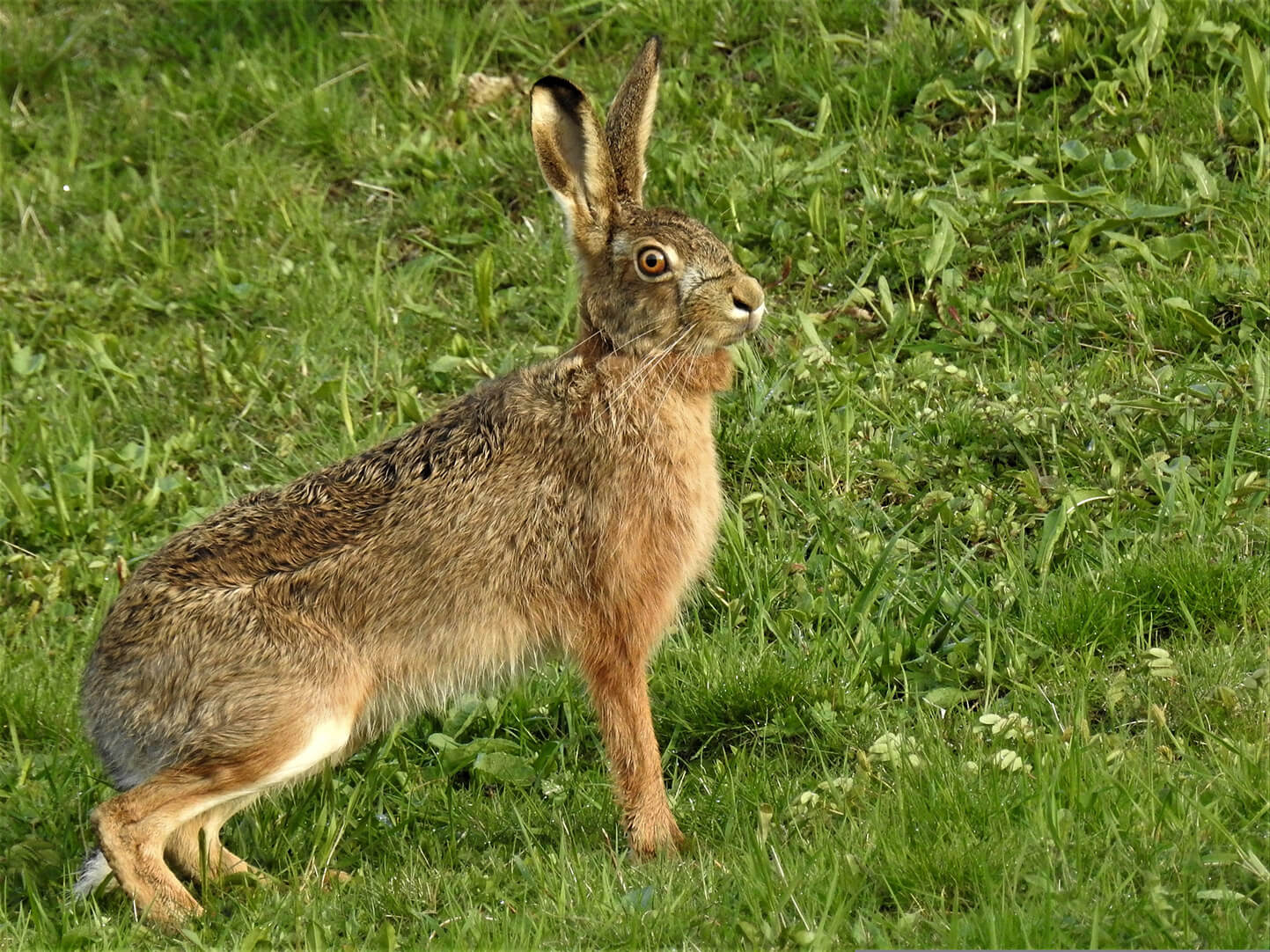
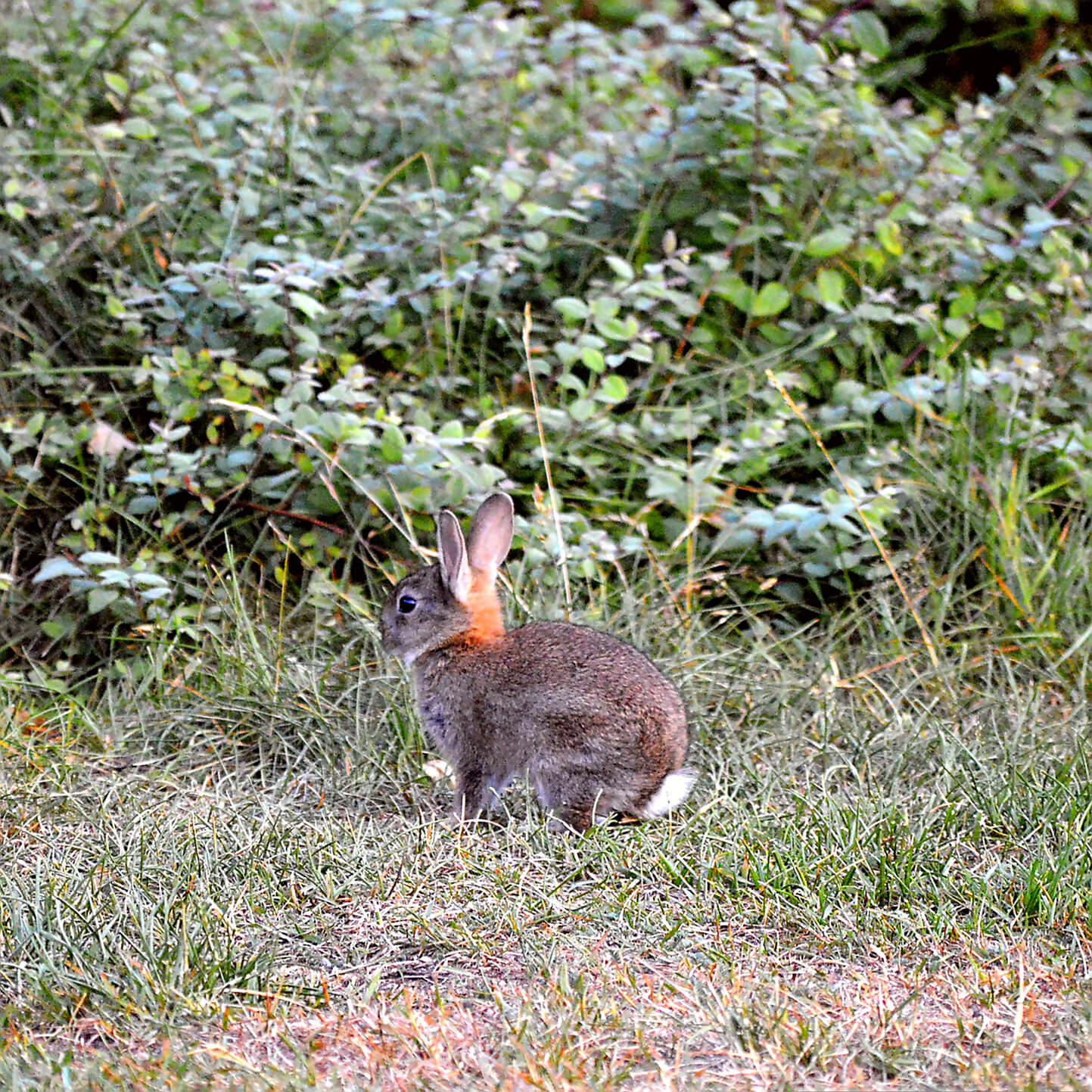
European Brown Hare (Lepus europaeus), the only representative of the family Leporidae in Serbia, is characterized by its elongated body, long ears, and legs (especially the hind legs), traits that are indicative of a proficient runner. It is exclusively herbivorous, feeding on herbaceous plants, agricultural crops, grains, and vegetables. During winter, it gnaws on the bark of young fruit trees and forest plantings. The European Brown Hare is widespread across nearly the entire territory of Serbia. In Kopaonik National Park, it inhabits open areas such as meadows and pastures at almost all elevations, although it is relatively scarce.
Fox
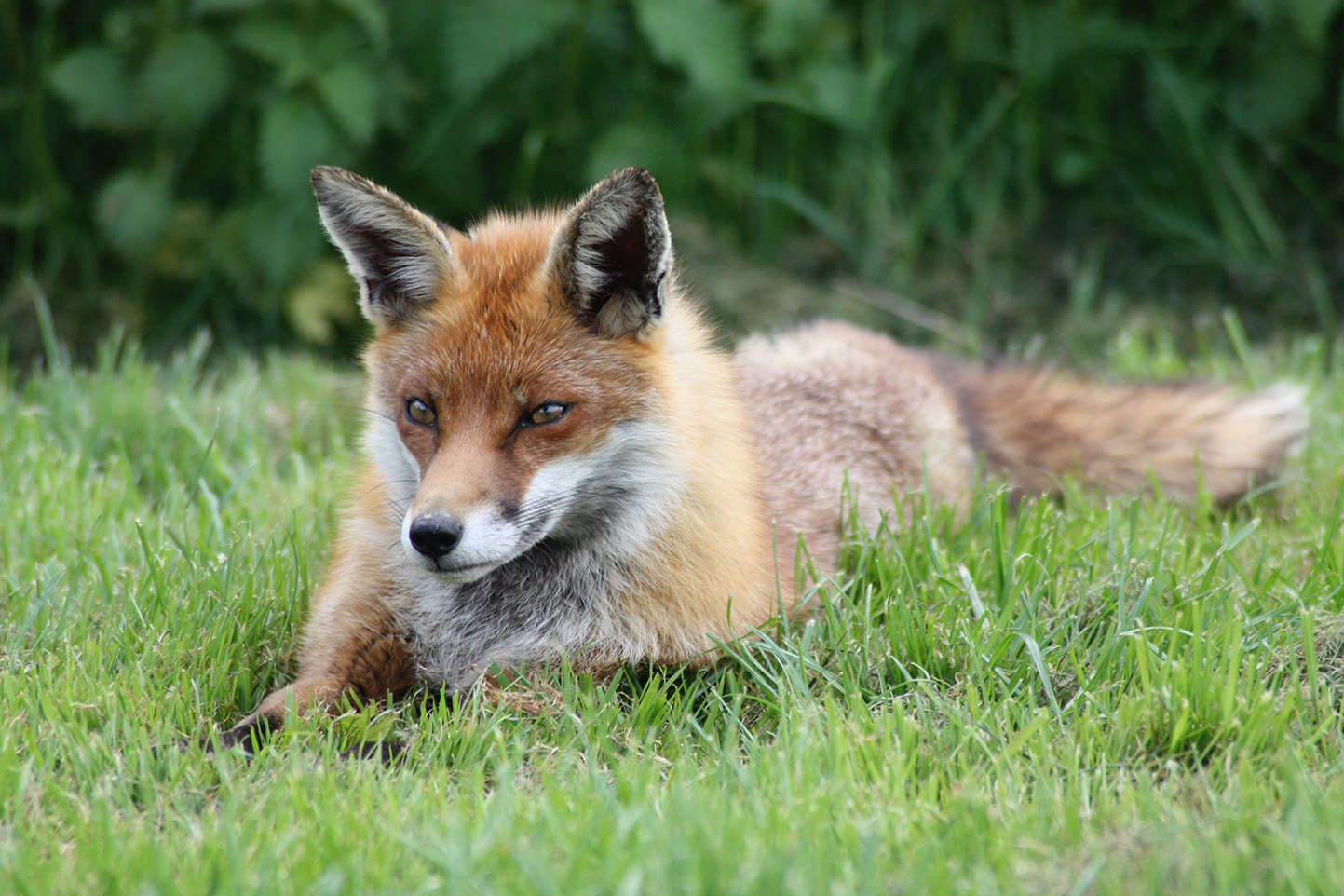
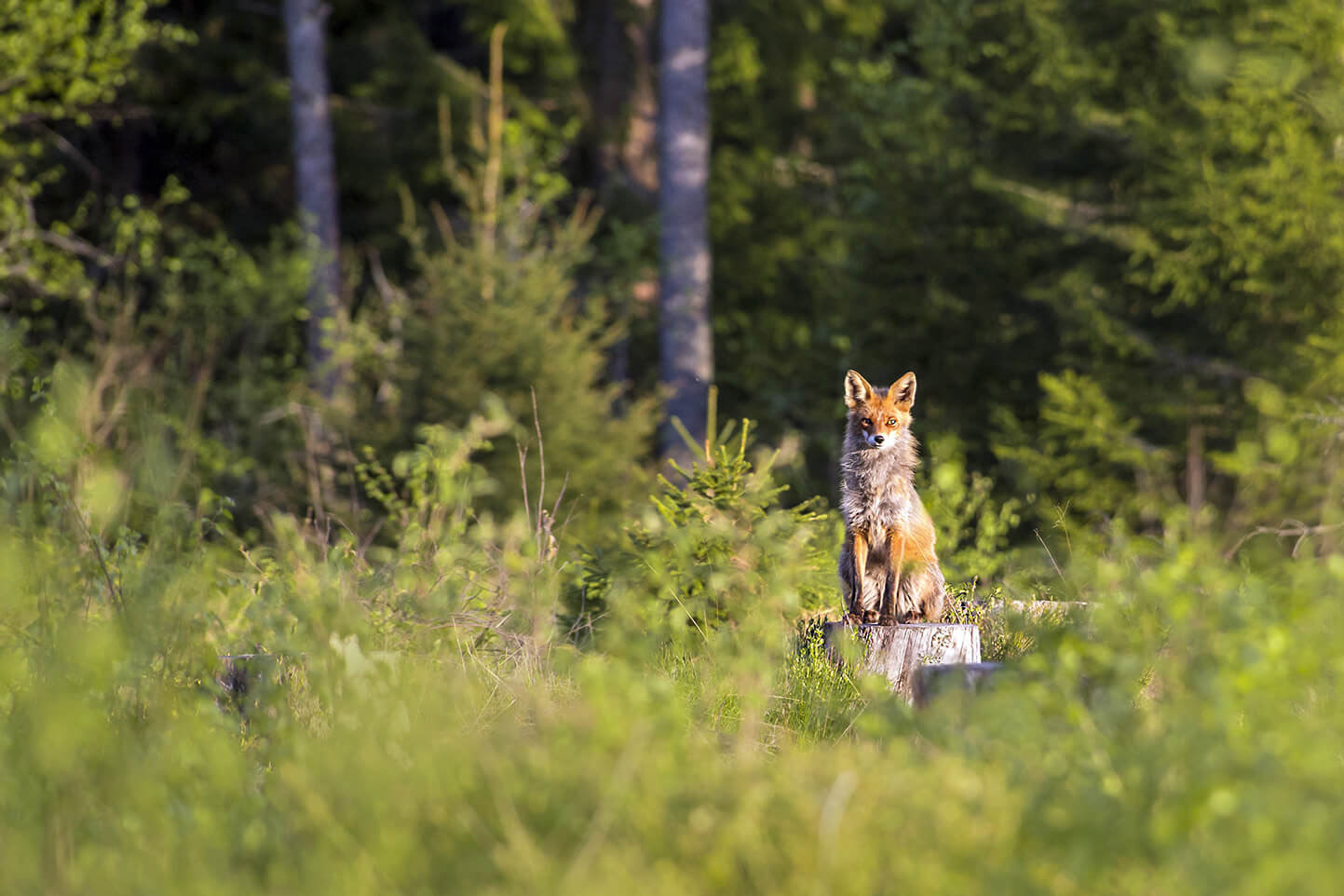
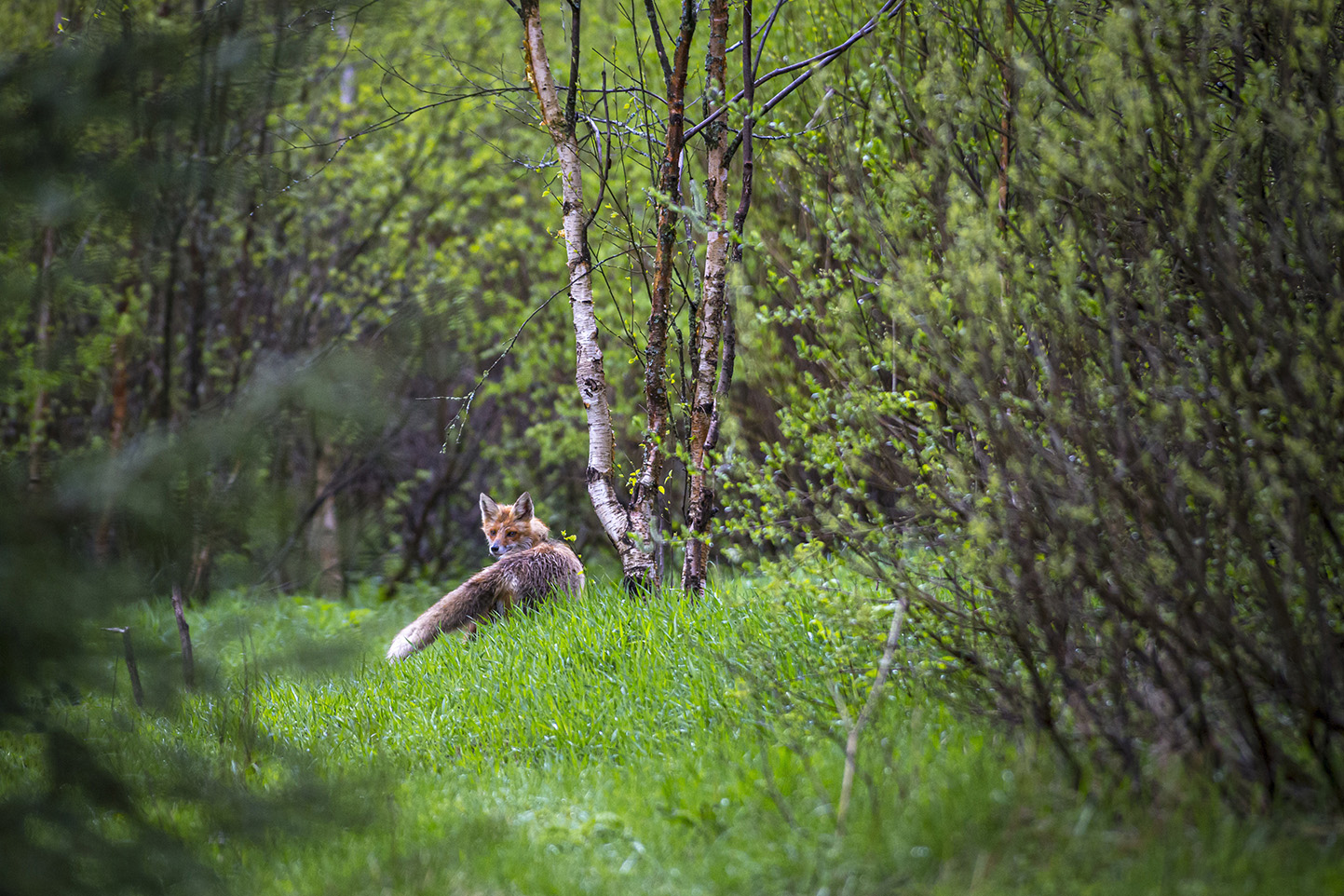
Red Fox (Vulpes vulpes) is a member of the Canidae family, characterized by its slender, elongated body and long, bushy tail. Its fur coloration ranges from dark red to tawny and brownish hues. The Red Fox is a carnivore with a varied diet that includes rodents, hares, birds and their eggs, invertebrates, and carrion. It is found throughout Serbia and inhabits all types of forests as well as open terrains, agricultural lands, and urban environments. It digs burrows in the ground or utilizes the burrows of other animals. The Red Fox is present throughout Kopaonik National Park at all elevations. It is a game species and is protected under national legislation (protected wildlife species).
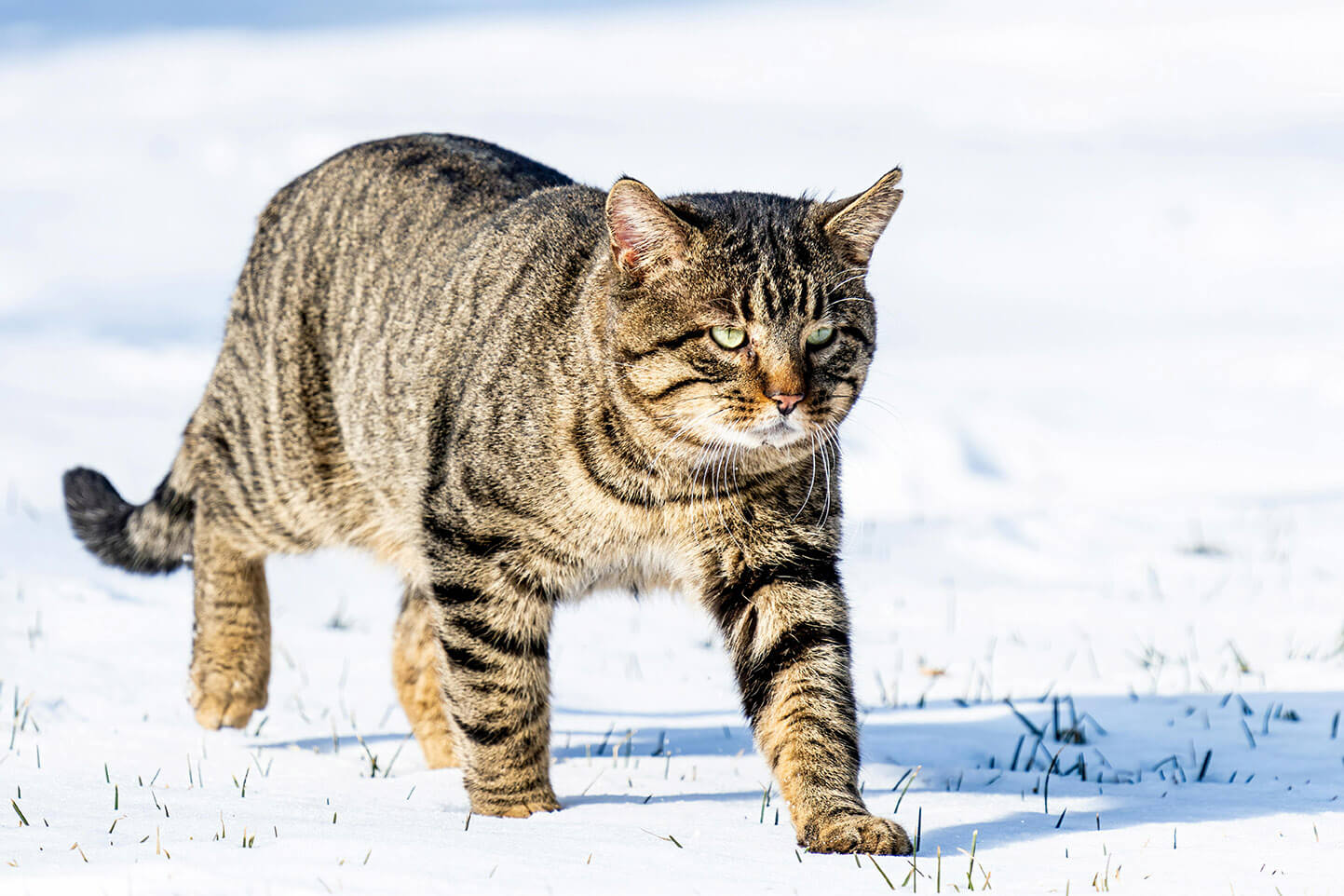
The wildcat
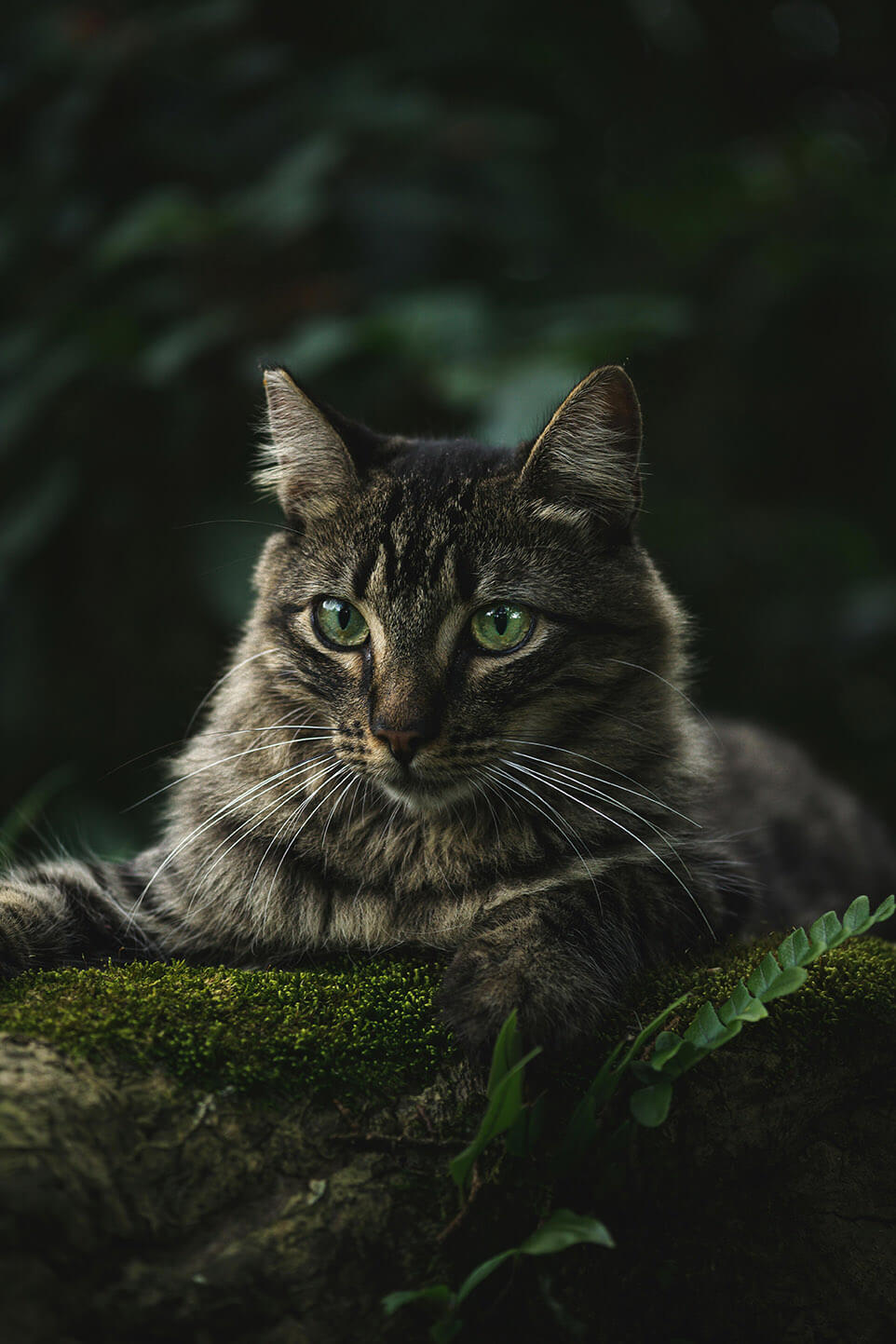
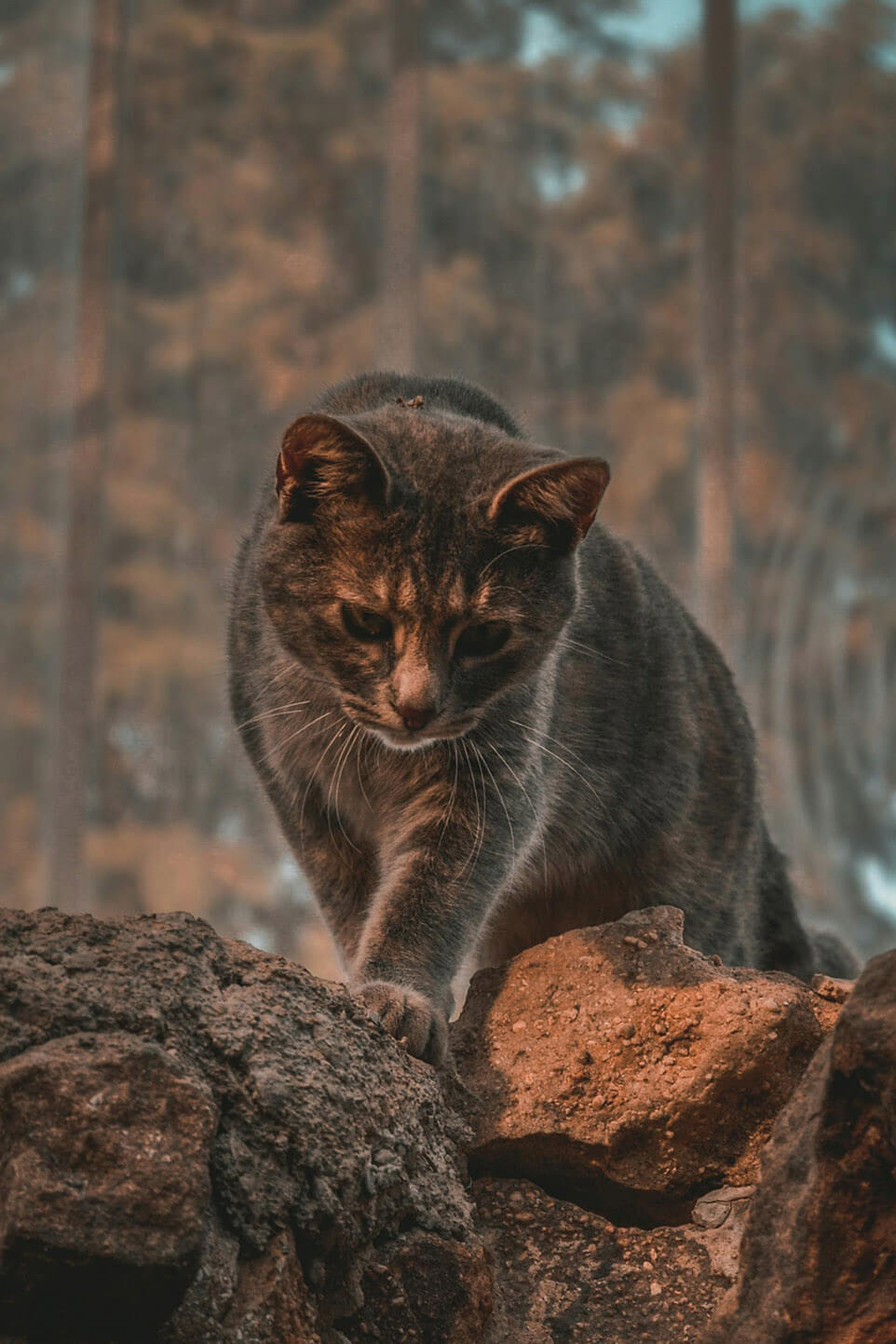
Wildcat (Felis silvestris) is a member of the Felidae family, similar to the domestic cat but larger and more robust, weighing up to 10 kilograms. It is a powerful animal with a rounded head, short muzzle, and short ears. It features a distinctive bushy and massive tail with 3 to 5 rings of black fur. The forelimbs have five toes, while the hind limbs have four toes, which are always darker on the underside. The Wildcat is highly cautious, adept at running, jumping, and climbing trees. Its diet primarily consists of rodents and hares, with occasional consumption of birds and amphibians. In Serbia, it is widely distributed but generally rare across most areas. Its natural habitats are primarily deciduous oak, beech, or mixed forests with clearings. It creates dens in tree cavities, rock crevices, and also utilizes abandoned burrows of other animals. In Kopaonik National Park, it is rare and primarily inhabits beech forest ecosystems. The species is protected under national (protected wildlife species) and international legislation.
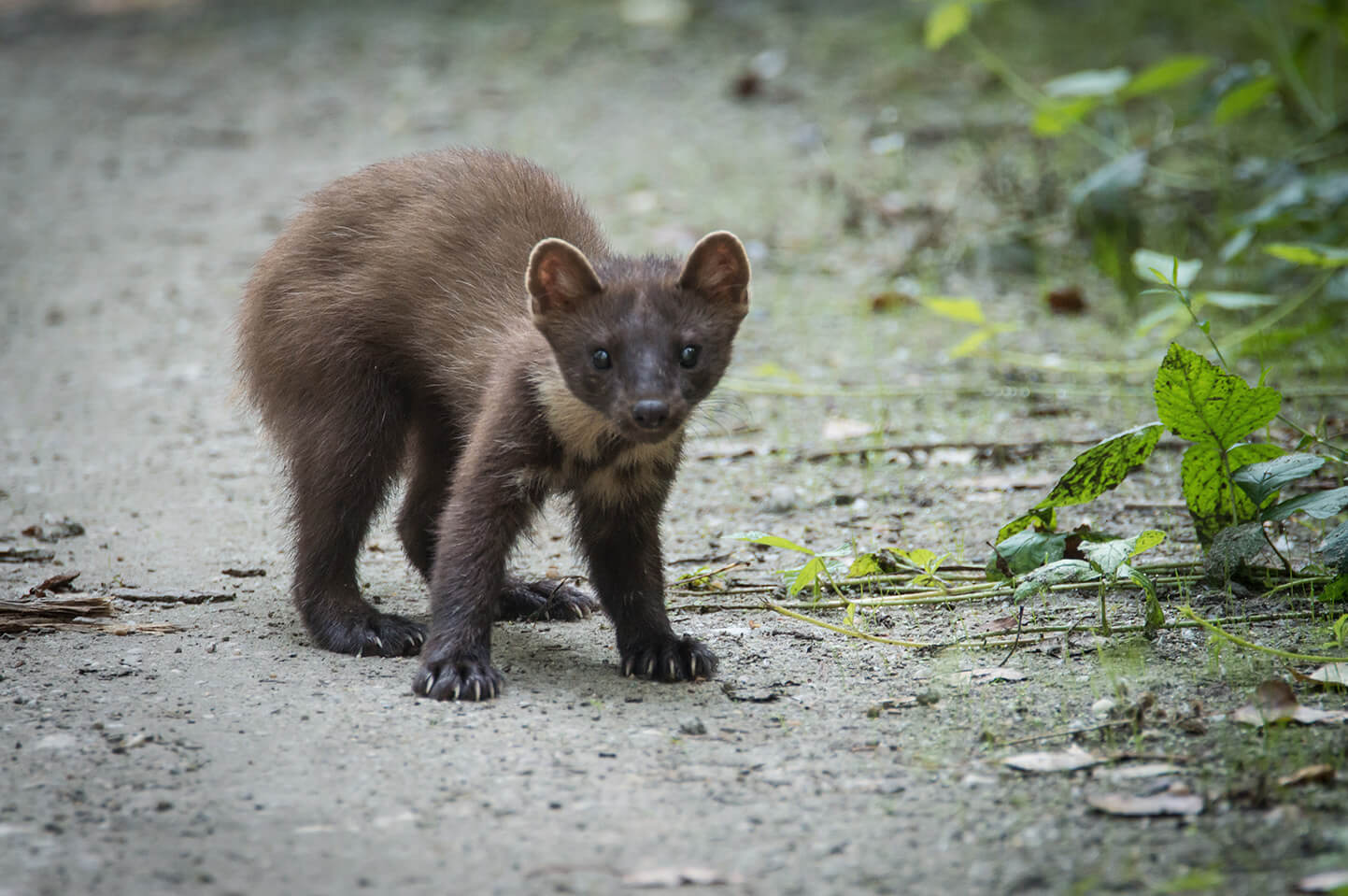
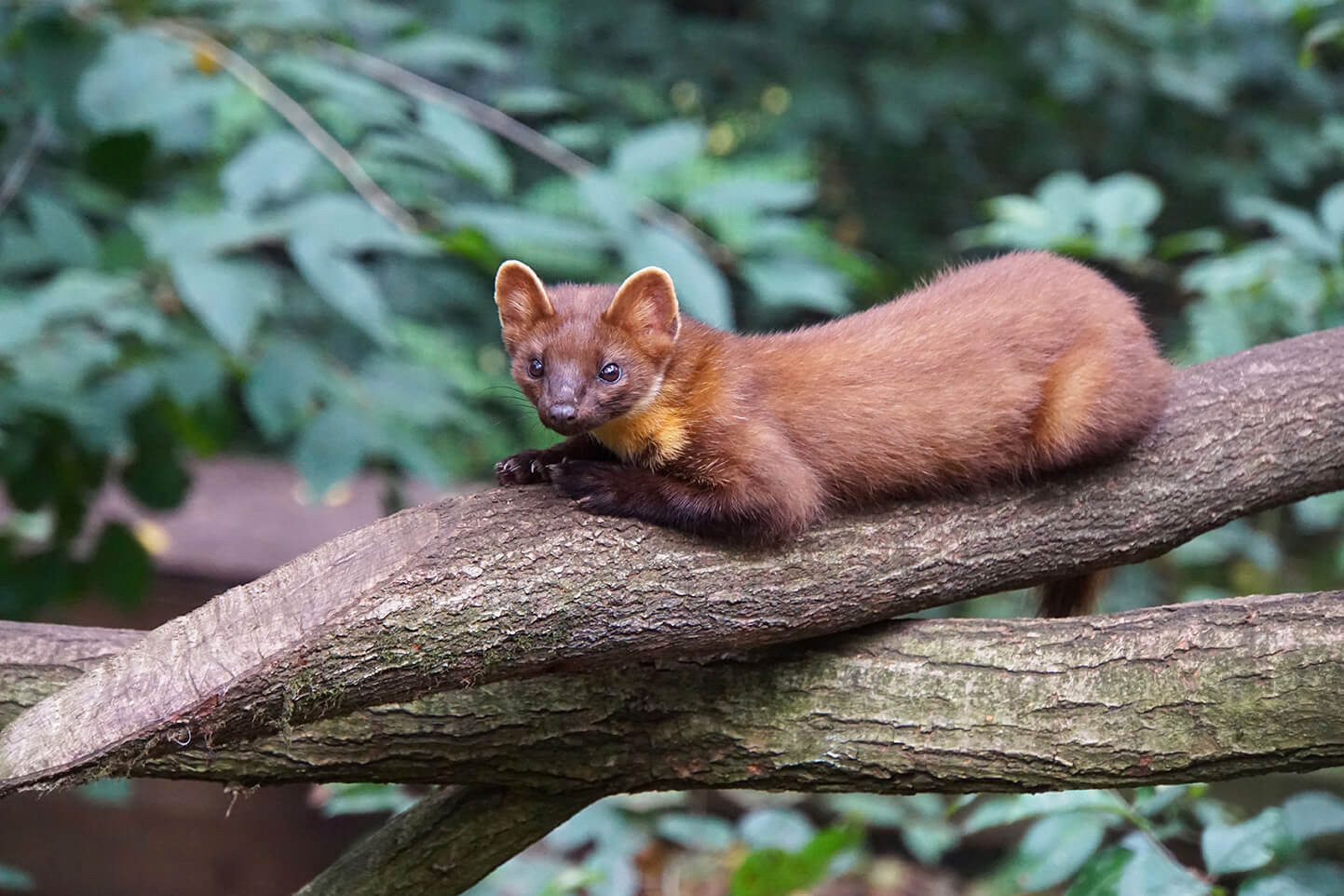
Martens
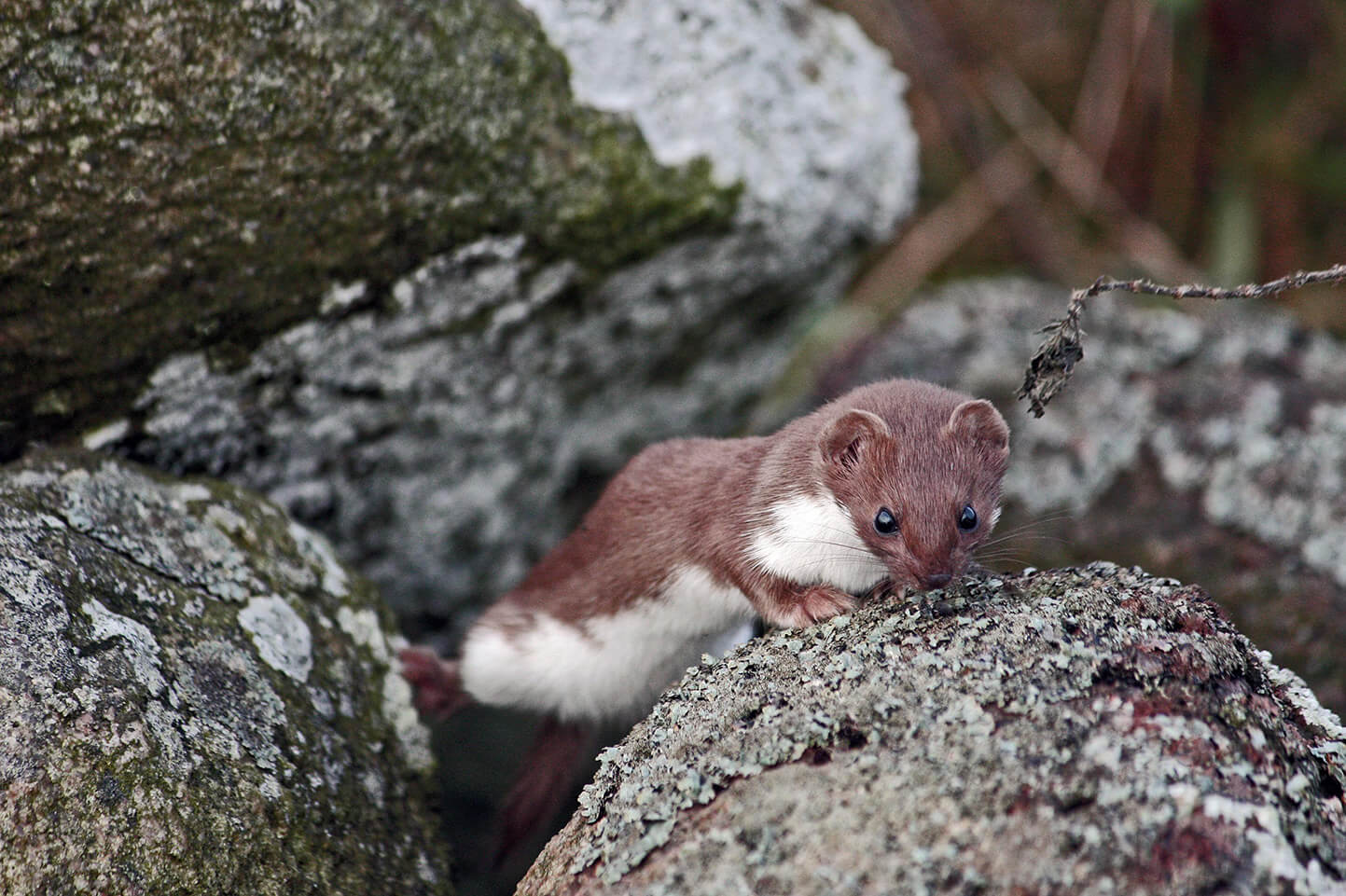
Otters
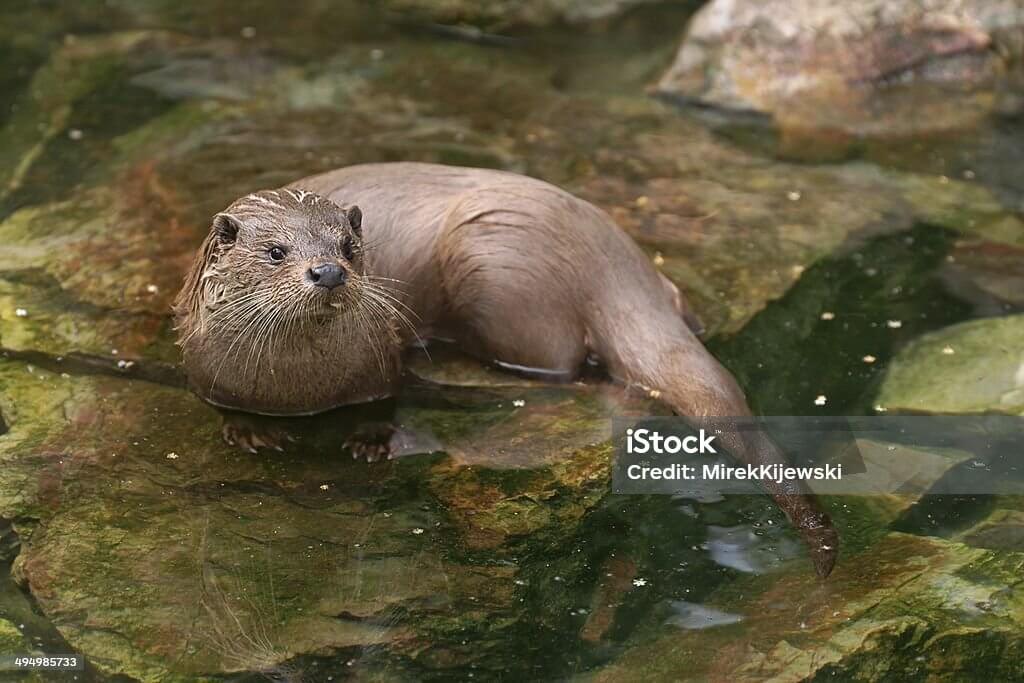
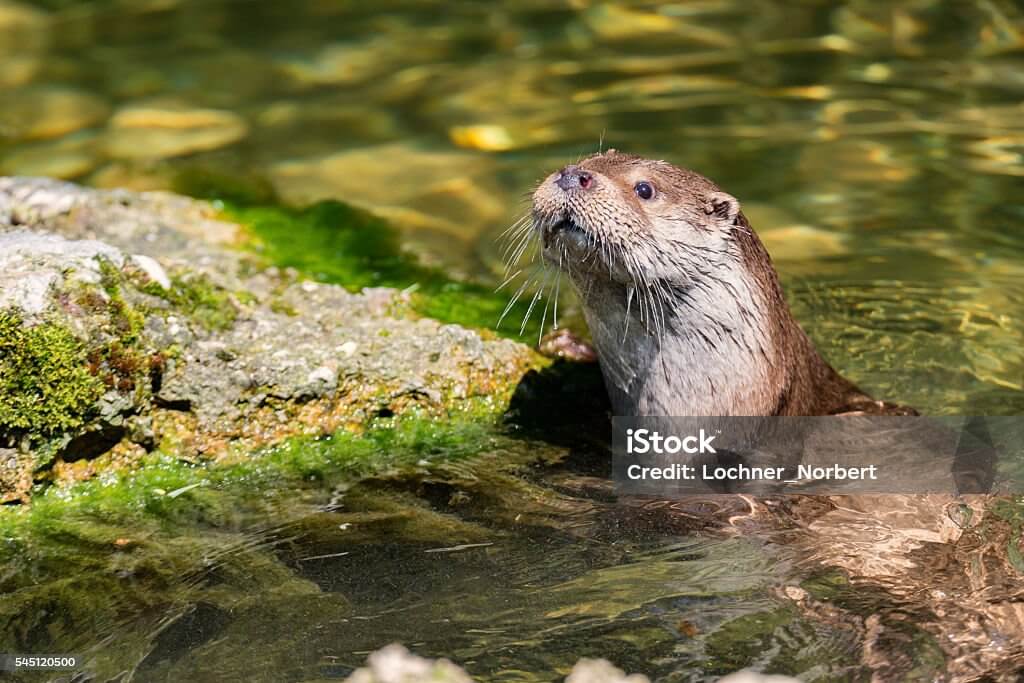
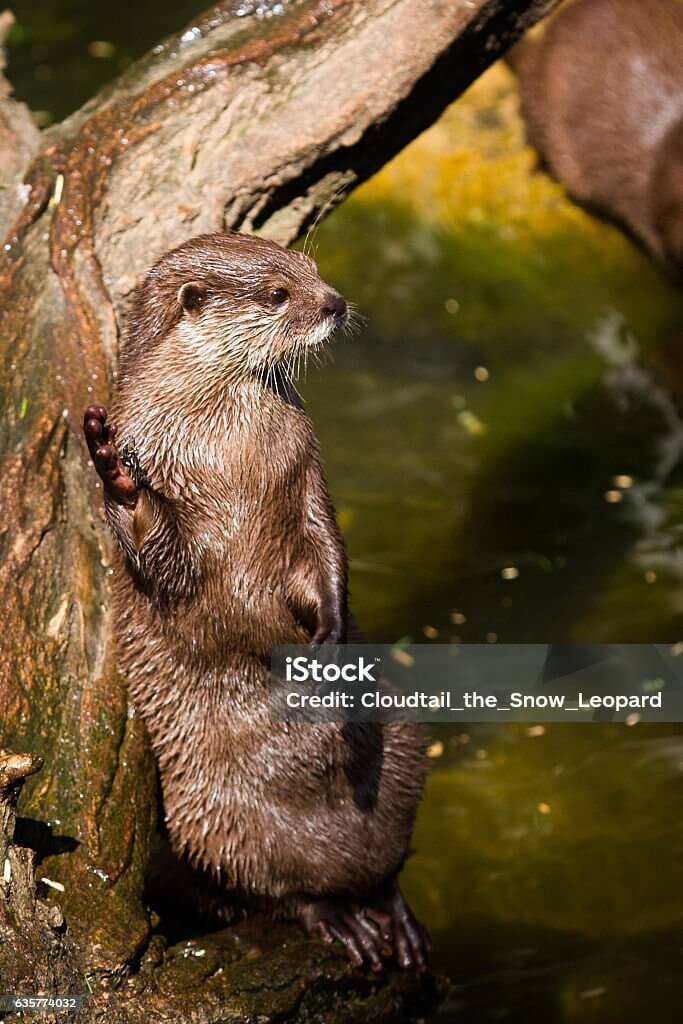
Otters possess a flexible and highly agile body structure, well-adapted for diving. They can hold their breath for extended periods underwater and use their sharp, powerful teeth to capture prey. The young otters learn to swim at around 80 days of age, when their fur has grown sufficiently and become water-resistant. Prior to this, they are quite clumsy in the water due to their soft fur and often exhibit a fear of water; mothers frequently push them into the water to encourage them to learn. Otters primarily feed on fish, though they are not particularly selective and will hunt whatever prey is easiest to catch. They also commonly feed in fish farms, where fish are readily accessible. Otters can cause significant damage, especially in unprotected and unsecured fish farms. In addition to fish, their diet includes crustaceans, aquatic insects, frogs, birds, and occasionally young rabbits and hares. Otters are very shy and solitary animals, primarily active at night and spending most of the day in their dens. They hunt and feed in clear, shallow streams that are ideally overgrown with vegetation and near floodplains. The most critical factors for otters are clean water and banks that provide cover. In search of food, otters often migrate from one river area to another, sometimes covering large distances.
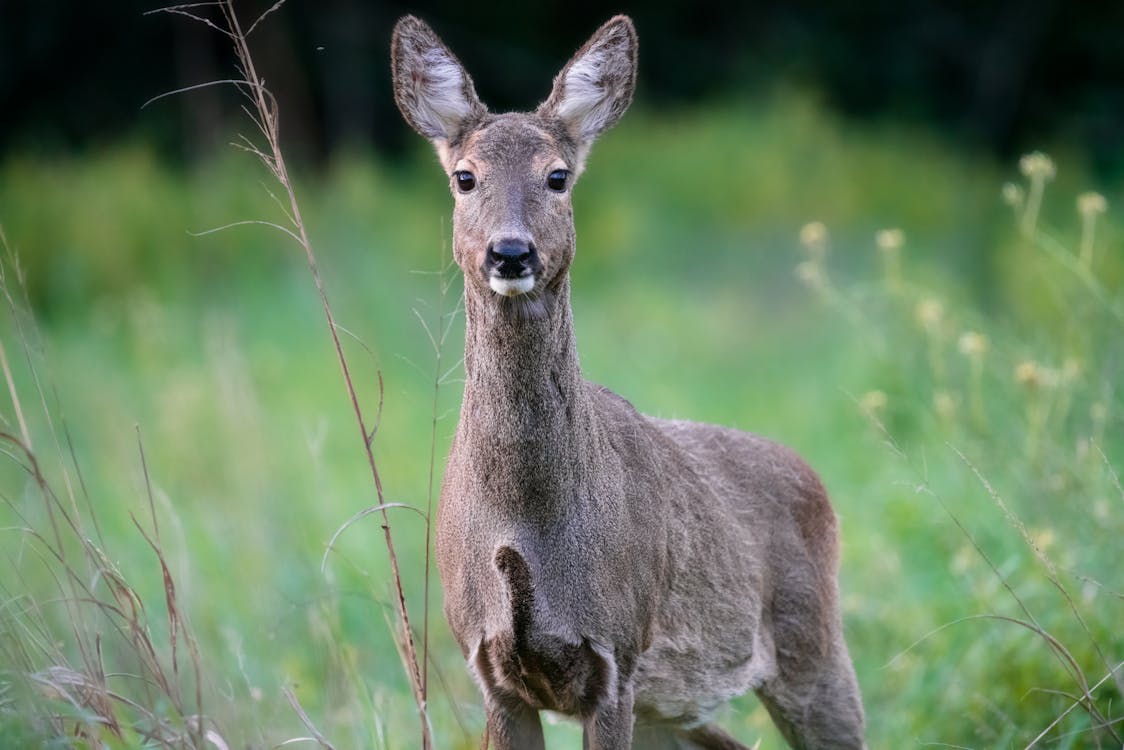
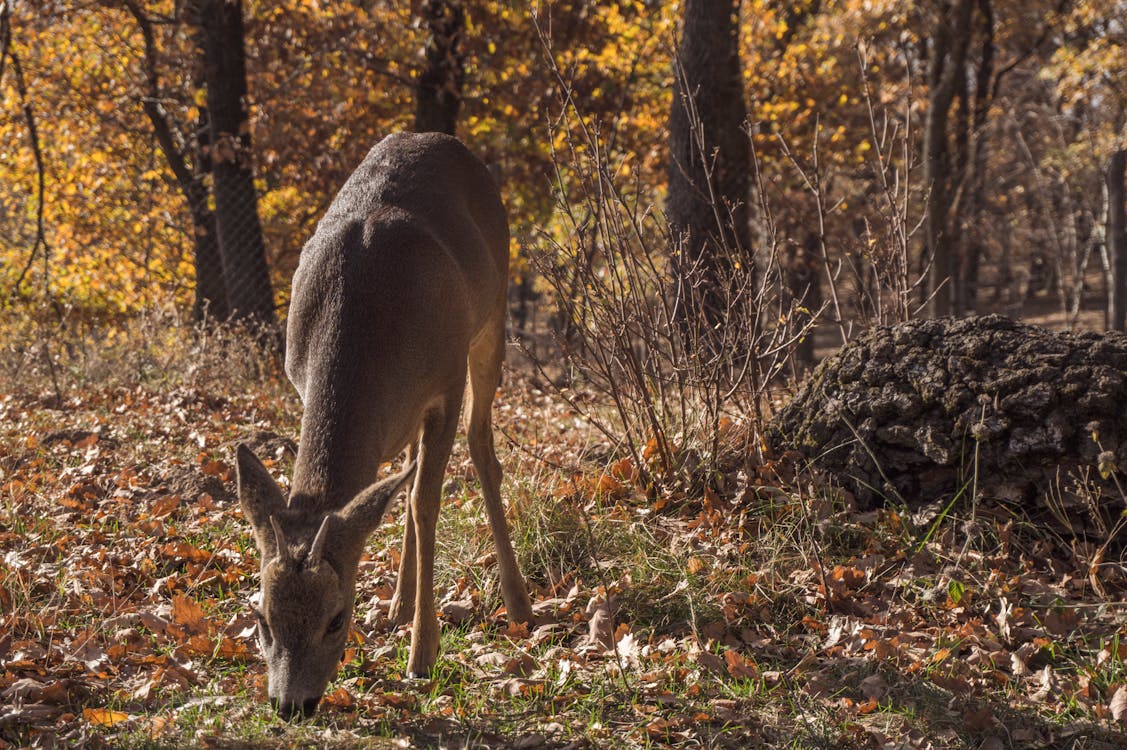
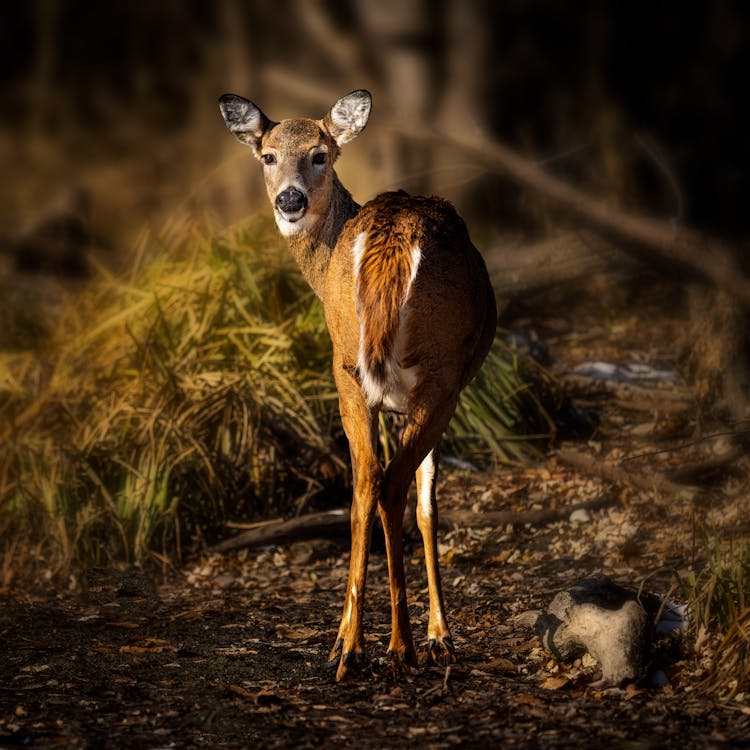
The roe deer (Capreolus capreolus)
The roe deer (Capreolus capreolus) is a forest-dwelling mammal native to Central Europe and Asia. Roe deer are characterized by a harmonious, slender, and agile body. Their legs are slender and long, with black hooves. Despite their build, they are not particularly endurance runners. They have a short, barely visible tail. The body length from the snout to the tail measures approximately 130-140 cm, and they typically weigh around 25 kg, though they can reach up to 40 kg. Females are generally 5-10% lighter than males. Roe deer move by walking, trotting, and leaping, and are excellent swimmers. The summer coat is reddish-brown, while the winter coat is chestnut-grey. The rump is covered with white fur, which is less noticeable in summer compared to winter. Fawns are brown with white spots until their first molt. Roe deer shed their coat twice a year, in spring and early autumn. They use scent glands for marking territory and other forms of olfactory communication. Males also have a frontal gland used for marking territorial boundaries. Roe deer have highly developed senses of hearing, smell, and taste. Their vision is less developed due to astigmatism, resulting in the ability to see only larger objects vaguely, with an acute sensitivity to movement. They are predominantly diurnal, being most active in the afternoon and evening. They feed 8-11 times a day. The average lifespan is 13-15 years, and occasionally up to 17-18 years. Breeding occurs in the second half of July and the first half of August, sometimes later. During the rut, males follow females in estrus for up to 4 days before moving on to find another. Consequently, a single male may mate with 4-5 females. First-time breeders usually give birth to one fawn, while later births typically involve two fawns. In cases where mating occurs later, embryo development does not cease, so the birth coincides with those from earlier matings. The fertilized egg remains unfixed and develops discreetly (embryonic diapause) until mid-December. From that point, intensive development begins, with parturition occurring in the 5th or 6th month. Roe deer carry their young for approximately 150 days (285-290 days including embryonic diapause). First-time mothers typically give birth to one fawn, with two or more being rare due to the demands of lactation and survival, despite the doe having four teats. Mating occurs simultaneously in lowlands and mountainous areas, with parturition in the mountains being slightly delayed due to longer embryonic diapause. During the rearing period, does carefully conceal their fawns. Fawns weigh 1.2-1.7 kg at birth and nurse until November. They reach sexual maturity at 14 months.